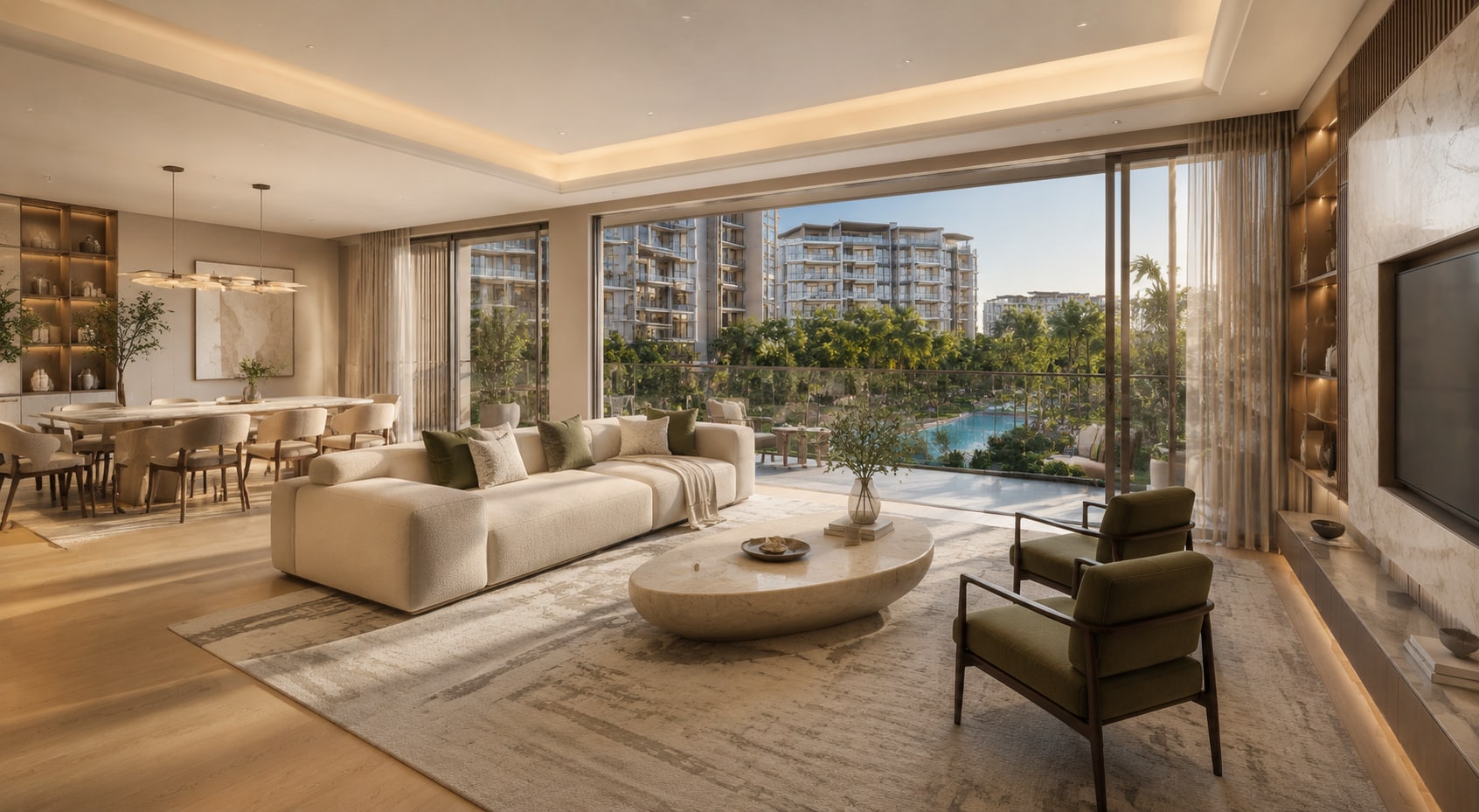
10 Unexpected Interior Styles That Will Redefine Your Living Space

10 Unexpected Interior Styles That Will Redefine Your Living Space
Interior design is more than just following trends—it’s about discovering a style that resonates with your personality and transforms your living space into a reflection of who you are. While classic designs like Scandinavian or industrial have their appeal, stepping outside the conventional can introduce fresh energy into your home. These 10 unexpected interior styles are designed to challenge norms, spark creativity, and redefine the way you experience your living space. Whether you’re drawn to bold contrasts or serene minimalism, there’s an unconventional style waiting to inspire you.
Why Choose an Unexpected Interior Style?
Opting for an unconventional interior style allows you to break free from the ordinary and create a home that feels uniquely yours. These styles often blend unexpected elements, textures, and colors to evoke emotions or tell a story. They can make a statement, introduce warmth, or even serve as a conversation starter. More importantly, they encourage you to think beyond the typical “safe” choices and embrace creativity in your surroundings.
1. Japandi Fusion: Minimalism Meets Warmth
The Japandi style combines the clean lines of Japanese minimalism with the cozy, organic feel of Scandinavian design. This fusion creates a balanced and harmonious space that feels both serene and inviting. Think light wood tones, soft neutrals, and subtle textures like linen or rattan. The result is a calming atmosphere that prioritizes simplicity without sacrificing comfort.
Key Elements of Japandi Fusion
- Neutral Color Palette: Shades of white, beige, and light gray form the foundation.
- Natural Materials: Wood, bamboo, and stone add warmth and texture.
- Minimalist Furniture: Sleek, functional pieces with clean silhouettes.
- Subtle Decor: Incorporate handmade ceramics, woven baskets, or simple artwork.
To achieve this look, focus on decluttering and selecting pieces that serve a purpose while maintaining a sense of tranquility.
2. Dark Academia: Moody Elegance for the Intellectual
Dark Academia is a rich, intellectual interior style inspired by vintage libraries, old universities, and classic literature. It’s all about deep, moody colors, antique furnishings, and an air of sophistication. This style is perfect for those who love history, art, or cozy, dimly lit spaces that feel like a retreat from the modern world.
How to Incorporate Dark Academia
- Color Scheme: Deep greens, burgundies, browns, and blacks for walls and furniture.
- Furniture: Leather armchairs, wooden desks, and ornate bookshelves.
- Textiles: Velvet drapes, Persian rugs, and embroidered cushions.
- Decor: Antique globes, framed vintage maps, and stacks of leather-bound books.
Lighting plays a crucial role in Dark Academia—opt for warm, dim lighting with table lamps or candlelight to enhance the cozy, introspective ambiance.
3. Maximalist Grandmillennial: Old-Meets-New Glamour
Grandmillennial style, or “Granny Chic,” is a maximalist twist on traditional interior design. It blends classic elements like floral wallpapers, chintz fabrics, and antique furniture with modern touches for a fresh, eclectic look. This style is ideal for those who love nostalgia and want to create a space that feels both timeless and personal.
Essential Features of Maximalist Grandmillennial
- Pattern Play: Mix floral prints, stripes, and damask for walls or upholstery.
- Vintage Furniture: Pieces like wingback chairs, clawfoot tables, or sideboards.
- Layered Textiles: Throw blankets, tassel-edged curtains, and embroidered pillows.
- Decorative Accents: China cabinets, vintage mirrors, and ornate picture frames.
The key to pulling off this style is balance—don’t be afraid to layer patterns and textures, but keep the overall composition cohesive.
4. Biophilic Design: Bringing Nature Indoors
Biophilic design is all about creating a connection to nature within your home. This style incorporates natural elements like plants, wood, stone, and water features to improve well-being and reduce stress. It’s a refreshing departure from the sleek, synthetic interiors of modern design, offering a more organic and grounding aesthetic.
Biophilic Design Techniques
- Indoor Plants: Large fiddle-leaf figs, hanging pothos, or a vertical garden.
- Natural Materials: Reclaimed wood, bamboo flooring, or stone countertops.
- Natural Light: Maximize windows and skylights to flood spaces with sunlight.
- Water Features: Small tabletop fountains or wall-mounted waterfalls for soothing sounds.
Even in urban homes, biophilic design can be achieved through thoughtful placement of greenery and natural textures, creating a sanctuary-like environment.
5. Retro Futurism: A Nostalgic Glimpse into the Future
Retro Futurism is a playful and nostalgic style that blends mid-century design with futuristic elements. Think bold colors, geometric shapes, and metallic finishes alongside vintage-inspired furniture. This style captures the optimism of the past’s vision of the future, making it perfect for those who love a mix of retro charm and avant-garde flair.
How to Achieve Retro Futurism
- Color Palette: Bright oranges, teals, mustard yellows, and metallic silver or gold.
- Furniture: Curved sofas, tulip tables, and chrome-legged chairs.
- Decor: Space-age lighting, abstract art, and modular shelving units.
- Textures: Smooth laminates, glossy surfaces, and shag carpets for contrast.
This style works best in spaces where you can experiment with bold statements without overwhelming the room.
6. Cottagecore: Whimsical Countryside Charm
Cottagecore is a dreamy, nostalgic style inspired by rural life and the English countryside. It’s all about soft colors, vintage textiles, and a sense of gentle imperfection. This style is ideal for those who crave a cozy, storybook-like home filled with handmade touches and natural beauty.
Cottagecore Interior Elements
- Color Scheme: Muted pastels, sage green, dusty pink, and cream.
- Furniture: Distressed wood tables, wicker chairs, and upholstered sofas with floral prints.
- Textiles: Lace curtains, crocheted blankets, and patchwork quilts.
- Decor: Mason jar vases, dried flowers, and antique teacups.
The charm of Cottagecore lies in its imperfections—embrace slightly worn furniture, mismatched dishes, and a lived-in feel.
7. Brutalism Reimagined: Industrial Edge with a Twist
Brutalism is often associated with stark, concrete architecture, but its principles can be adapted into interior design for a bold, industrial look. The key is to soften the harshness with warm textures and unexpected materials. This style is perfect for those who love raw, unfiltered spaces with a touch of sophistication.
Brutalist Interior Touches
- Materials: Exposed concrete, steel, and raw wood for a rugged feel.
- Furniture: Heavy, geometric pieces like concrete coffee tables or metal-framed sofas.
- Color Palette: Monochrome with occasional pops of deep red or charcoal.
- Decor: Abstract sculptures, large mirrors, and minimalist lighting.
To avoid a cold, unwelcoming space, balance the rawness with plush rugs, velvet cushions, or warm wood accents.
8. Coastal Grandmother: Effortless Seaside Elegance
The Coastal Grandmother style is a refined take on coastal interiors, inspired by the effortless elegance of beachside cottages. Think breezy whites, soft blues, and sandy neutrals paired with natural textures and vintage-inspired furniture. This style is all about creating a relaxed yet sophisticated atmosphere.
Key Elements of Coastal Grandmother
- Color Palette: White, cream, soft blue, and sandy beige with occasional nautical accents.
- Furniture: Wicker or rattan chairs, slipcovered sofas, and driftwood tables.
- Textiles: Striped linen drapes, cable-knit throws, and canvas rugs.
- Decor: Vintage mirrors, seashell collections, and blue-and-white china.
This style thrives on a light, airy feel—keep spaces uncluttered and let natural light take center stage.
9. Cyberpunk Chic: Futuristic Urban Vibes
Cyberpunk Chic is a high-tech, low-life interior style inspired by futuristic cities and sci-fi aesthetics. It combines neon lights, metallic finishes, and unconventional materials for a bold, edgy look. This style is perfect for those who love a mix of technology and artistry, creating a space that feels like it’s straight out of a sci-fi movie.
How to Achieve Cyberpunk Chic
- Color Palette: Neon pink, electric blue, purple, and black with metallic silver or chrome accents.
- Lighting: LED strips, neon signs, and backlit panels for a futuristic glow.
- Furniture: Sleek, angular pieces with metallic frames or acrylic surfaces.
- Decor: Holographic prints, retro-futuristic art, and tech-inspired sculptures.
Balance the neon intensity with darker tones and reflective surfaces to create a cohesive and immersive experience.
10. Earthy Modern: Sustainable and Stylish
Earthy Modern is a contemporary style that emphasizes sustainability without sacrificing style. It focuses on natural materials, eco-friendly furnishings, and a neutral color palette that feels both fresh and grounded. This style is ideal for those who want to create a home that’s environmentally conscious yet visually appealing.
Earthy Modern Interior Features
- Materials: Reclaimed wood, bamboo, cork, and recycled metals.
- Color Palette: Warm whites, soft grays, deep greens, and earthy browns.
- Furniture: Clean-lined pieces made from sustainable materials like hemp or organic cotton.
- Decor: Handcrafted pottery, woven baskets, and living walls.
The beauty of Earthy Modern lies in its simplicity—prioritize quality over quantity and choose pieces that tell a story of sustainability.
How to Choose the Right Style for You
With so many unexpected interior styles to explore, the key is to select one that aligns with your personality and lifestyle. Start by considering the mood you want to create—do you crave warmth, sophistication, or a touch of nostalgia? Next, think about the practicality of the style. Some designs require more maintenance or investment than others, so choose one that fits your budget and daily routine.
Don’t be afraid to mix elements from different styles to create a look that’s uniquely yours. The goal is to create a space that feels authentic and inspiring, not just a copy of a trend. Take your time experimenting with colors, textures, and layouts until you find the perfect balance.
Final Thoughts: Redefine Your Space with Bold Choices
Interior design is an opportunity to express yourself and create a home that feels like a sanctuary. These 10 unexpected styles offer a departure from the ordinary, allowing you to explore new aesthetics and redefine your living space. Whether you’re drawn to the moody elegance of Dark Academia or the whimsical charm of Cottagecore, the right style can transform your home into a reflection of your dreams.
Remember, the most important rule in interior design is to choose what makes you happy. Don’t be afraid to take risks, mix textures, or blend styles—your home should be a celebration of your individuality. So go ahead, experiment, and let your living space tell your story.