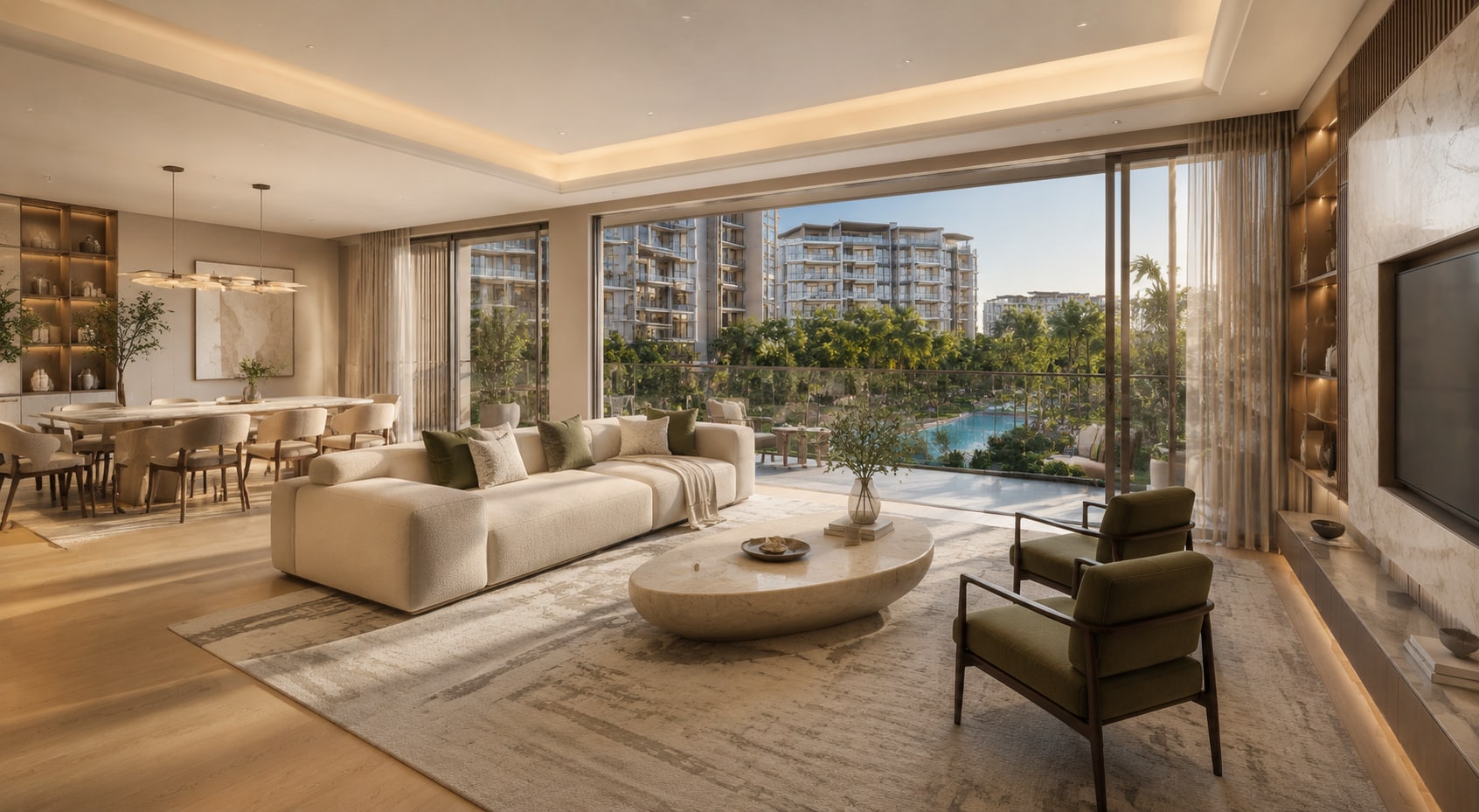
Transform Your Space: A Fresh Perspective on Home Interiors

Transform Your Space: A Fresh Perspective on Home Interiors
Your home is more than just a place to live—it’s a reflection of your personality, a sanctuary for relaxation, and a canvas for self-expression. Whether you’re moving into a new place or simply looking to refresh your current one, transforming your space can breathe new life into your daily routine. A well-designed interior doesn’t just look good; it enhances your mood, boosts productivity, and makes everyday moments feel special. But where do you begin? The key lies in embracing a fresh perspective, one that prioritizes creativity, functionality, and personal meaning over trends or fleeting fads.
The Power of Intentional Design
Before diving into decor or furniture choices, it’s essential to approach your space with intention. Intentional design means aligning your home’s aesthetic with your lifestyle, values, and needs—not just what’s popular on social media. Ask yourself: How do you want to feel in each room? Do you need a cozy reading nook, a vibrant workspace, or a minimalist retreat? By defining your goals, you can create a space that truly serves you rather than conforming to generic ideas of “good design.”
Start by evaluating the layout of your home. Natural light, traffic flow, and furniture placement all play a role in how a room functions. For example, placing a desk near a window can improve focus and creativity, while a sectional sofa might be better suited for a large living room where family gatherings occur. Don’t be afraid to experiment—move furniture around, test different color schemes, and consider how each element contributes to the overall atmosphere.
Color and Texture: The Backbone of a Fresh Look
Color has the power to transform a room’s energy. While neutral palettes like beige and gray offer timeless elegance, bold colors can inject personality and warmth. Consider using an accent wall in a deep emerald green or a soft blush pink to create a focal point. If you prefer subtlety, mix textures like linen, velvet, or rattan to add depth and tactile appeal. Textures not only make a space feel more inviting but also create visual interest without overwhelming the eye.
When choosing a color scheme, think about the mood you want to evoke. Cool tones like blues and greens promote calmness, making them ideal for bedrooms or meditation spaces. Warm hues like terracotta or mustard yellow can energize a room, perfect for kitchens or creative studios. Don’t forget the ceiling—painting it a lighter shade than the walls can make a room feel taller and more open.
Embrace Minimalism with Purpose
Minimalism isn’t about stripping your home of all personality; it’s about curating only what you need and love. A clutter-free space reduces stress and makes cleaning easier, allowing your home to feel like a true retreat. Start by decluttering one room at a time, keeping only items that serve a purpose or bring you joy. This process can be liberating, revealing how much more room you have for meaningful decor and experiences.
In a minimalist space, every piece should have a reason to be there. Opt for multifunctional furniture, such as a storage ottoman or a sleek desk with built-in shelves. Open shelving can display a few carefully chosen items, like a favorite book or a piece of art, while keeping the rest of the space tidy. Remember, minimalism is about quality over quantity—choose pieces that are durable, timeless, and truly resonate with you.
Incorporating Nature Indoors
Bringing the outdoors in is a timeless trend that never goes out of style. Houseplants, natural wood furniture, and large windows that frame outdoor views can create a sense of tranquility and connection to nature. Even small touches, like a bamboo mat or a vase of fresh flowers, can make a significant impact. Plants not only purify the air but also add a vibrant, organic element to your decor.
Consider the materials in your home as well. Wooden floors, stone countertops, or rattan furniture can ground a space and add warmth. If you’re working with limited natural light, use mirrors to reflect light and create the illusion of a brighter room. Layering different natural textures—like jute rugs, linen curtains, and ceramic vases—can tie a room together while keeping the aesthetic cohesive and inviting.
Personal Touches: Making Your Space Uniquely Yours
The most memorable interiors are the ones that tell a story. Your home should be a reflection of your journey, passions, and memories. Display travel souvenirs on a dedicated shelf, hang family photos in stylish frames, or incorporate artwork that speaks to you. These personal touches make your space feel authentic and lived-in, rather than like a showroom.
Don’t shy away from mixing old and new pieces. A vintage rug paired with modern furniture can create a dynamic contrast, while a thrifted chair can add character to a room. The key is balance—too many eclectic items can feel chaotic, while too much uniformity can feel sterile. Aim for harmony by choosing a dominant style or color palette and layering in unique elements that complement it.
Lighting: The Unsung Hero of Interior Design
Lighting can make or break a room’s ambiance. Layered lighting—combining ambient, task, and accent lights—creates depth and functionality. Start with a central light source, like a chandelier or recessed lighting, for general illumination. Then, add task lighting in areas where you need focused light, such as under-cabinet lights in the kitchen or a desk lamp in your workspace. Finally, use accent lighting to highlight architectural features or decor, like a wall sconce or a string of fairy lights.
Natural light is the most flattering, so maximize it by keeping windows unobstructed and using sheer curtains to diffuse harsh sunlight. In the evening, opt for warm-toned bulbs (2700K-3000K) to create a cozy atmosphere. Smart lighting systems can also enhance your space by allowing you to adjust brightness and color temperature with a tap on your phone. Don’t underestimate the power of a well-lit room—it can transform your mood and even make small spaces feel larger.
Sustainable and Ethical Choices
Designing your home with sustainability in mind benefits both the planet and your well-being. Choose furniture made from reclaimed wood, organic fabrics, or recycled materials. Look for certifications like FSC (Forest Stewardship Council) for wood products or GOTS (Global Organic Textile Standard) for textiles. Even small changes, like swapping plastic storage bins for woven baskets or using beeswax candles instead of paraffin, can reduce your environmental footprint.
Supporting local artisans and small businesses not only adds unique pieces to your home but also promotes ethical consumption. Upcycling old furniture with a fresh coat of paint or new hardware is another budget-friendly way to create sustainable decor. When shopping, ask yourself: Is this item built to last? Can it be repaired or recycled when I’m done with it? By making mindful choices, you contribute to a more sustainable future while crafting a home that aligns with your values.
Final Thoughts: Your Home, Your Masterpiece
Transforming your space is an ongoing journey, not a one-time project. It’s about evolving with your needs, experimenting with new ideas, and allowing your home to grow alongside you. Whether you’re drawn to bold maximalism, serene minimalism, or a blend of both, the most important thing is that your space feels authentically *you*. Start small if you need to—swap out throw pillows, rearrange furniture, or add a plant. The goal isn’t perfection; it’s creating a home that inspires, comforts, and energizes you every day.
So, take a deep breath, roll up your sleeves, and let your creativity shine. Your perfect space is waiting to be discovered.