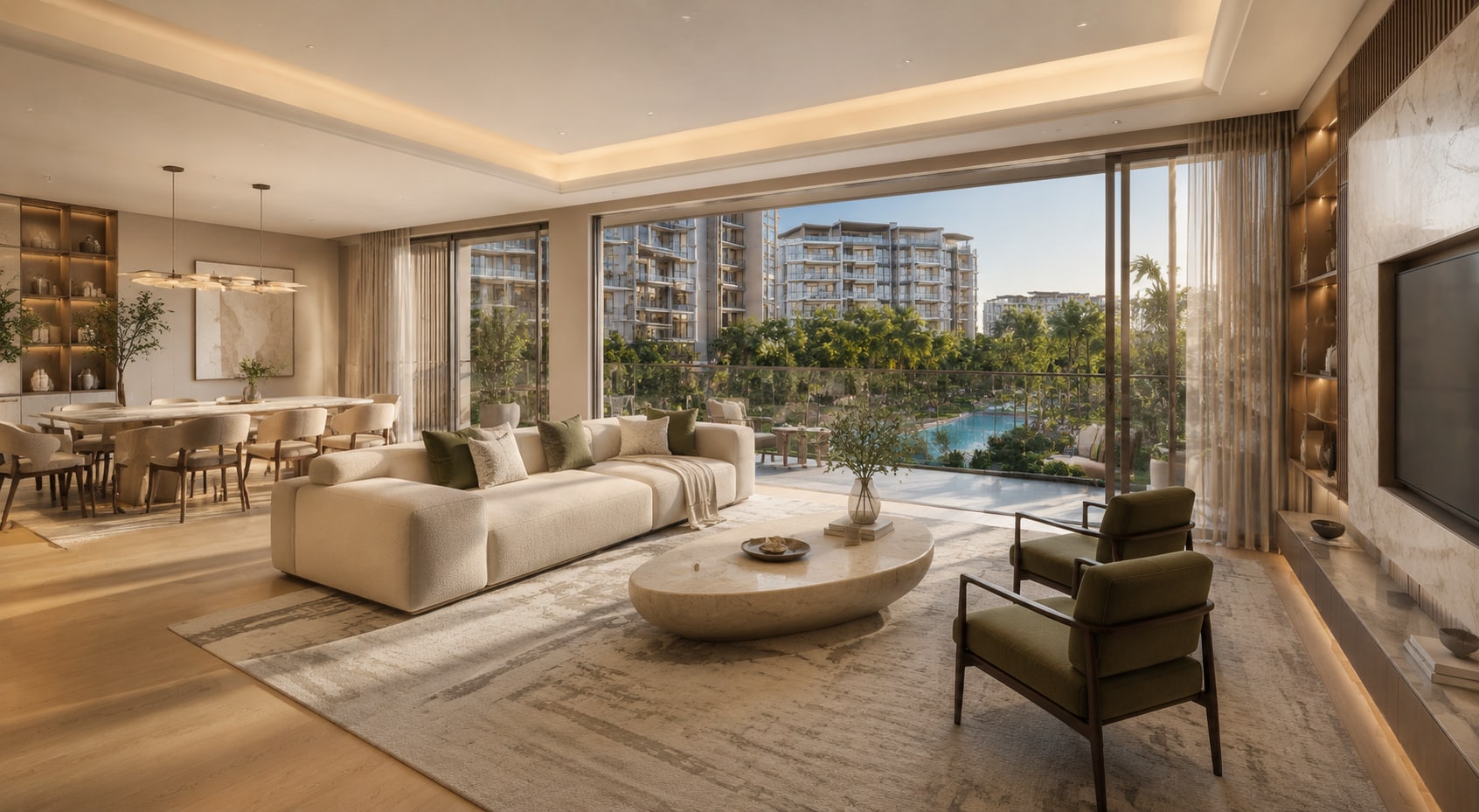
Cozy Corners: Designing a Home That Wraps Around Your Life

# Cozy Corners: Designing a Home That Wraps Around Your Life
## The Art of Purposeful Spaces
A home is more than just a structure—it’s a living ecosystem that should adapt to your rhythms, needs, and moods. Designing a space that truly *wraps around your life* means creating environments where every corner feels intentional, every nook serves a purpose, and every room reflects who you are. Whether you’re a busy professional, a creative soul, a nurturing parent, or someone who cherishes solitude, your home should be a sanctuary that responds to your lifestyle—not the other way around.
The key lies in blending aesthetics with functionality, transforming ordinary rooms into purposeful havens. It’s about understanding how you move through your day and curating spaces that support those movements. A well-designed home doesn’t just look good; it *feels* right. It wraps around you like a favorite sweater—comforting, supportive, and deeply personal.
## Understanding Your Lifestyle: The Foundation of Design
Before diving into decor or furniture, take time to reflect on how you *actually* use your space. A home designed around your life starts with an honest assessment of your daily routines, habits, and preferences.
### Mapping Your Daily Flow
Start by observing how you navigate your current space over a week. Where do you spend the most time? What activities feel cramped or disrupted? For instance:
– Do you crave a quiet morning coffee in a sunlit spot before the day begins?
– Do you need a dedicated area for work that separates it from relaxation zones?
– Does your family gather in the kitchen, or is the living room the heart of your home?
These observations will highlight which areas need reimagining. A home that wraps around your life isn’t about following trends—it’s about solving real needs.
### Identifying Your Core Needs
Every lifestyle has unique demands. Consider these common categories:
– **The Busy Professional:** Needs a quiet workspace, a charge station for devices, and a transition area to decompress after work.
– **The Creative Soul:** Requires an inspiring nook with good lighting, storage for supplies, and surfaces that encourage messiness.
– **The Family Hub:** Benefits from durable, easy-to-clean materials, flexible seating, and storage that keeps clutter at bay.
– **The Minimalist:** Thrives in uncluttered spaces with multi-functional furniture and a focus on intentional decor.
Your home should adapt to these needs without feeling rigid. Flexibility is key—spaces that can shift as your life does will always feel like a perfect fit.
## Designing Zones That Serve You
A home divided into thoughtfully designed zones ensures that every area has a clear purpose while contributing to the overall harmony of the space. These zones don’t have to be separate rooms—they can be subtle divisions within an open floor plan.
### The Entryway: Your First Impression
The entryway sets the tone for your home. A well-designed one does more than just hold shoes—it’s a transition space that prepares you for the day ahead or helps you unwind upon arrival.
– **Storage Solutions:** Benches with hidden cubbies, wall-mounted hooks, or a slim console table with drawers keep clutter out of sight.
– **Lighting:** Layered lighting, such as a pendant light or a warm-toned wall sconce, ensures the space feels inviting.
– **Personal Touches:** A small mirror for last-minute checks, a tray for keys and mail, or a gallery wall of photos makes the space feel uniquely *yours*.
### The Living Room: More Than Just a Couch
The living room is often the heart of the home, but its purpose can evolve based on your needs. Instead of defaulting to a single arrangement, consider how the space can serve multiple functions:
– **Conversation Zone:** Arrange seating in a U-shape around a coffee table to encourage interaction.
– **Reading Nook:** A plush armchair by a window with a floor lamp and a small bookshelf creates a cozy retreat.
– **Entertainment Area:** If you love movie nights, designate a corner with a media console and comfortable seating that can tuck away when not in use.
– **Flexible Layouts:** Modular furniture or ottomans with storage allow you to reconfigure the space as needed.
### The Kitchen: Where Function Meets Comfort
The kitchen is one of the most used rooms in the house, so its design should prioritize both efficiency and warmth. Even small kitchens can feel spacious with the right approach:
– **Workflow Optimization:** Place frequently used items (like coffee makers or cutting boards) within easy reach of prep areas.
– **Seating Solutions:** If space is tight, consider a bar cart that doubles as extra counter space or a slim table that folds down when not in use.
– **Lighting:** Task lighting under cabinets and a statement pendant light over the dining area can make the space feel dynamic.
– **Personal Touches:** Open shelving for cookbooks, a chalkboard wall for notes, or a small herb garden bring personality to the room.
### The Bedroom: A Sanctuary for Rest
Your bedroom should be a retreat from the outside world—a place where you can truly relax. Designing this space with intention ensures it supports restful sleep and rejuvenation:
– **Bed Placement:** Position the bed away from high-traffic areas and direct drafts. If possible, place it against a solid wall for a sense of security.
– **Textiles Matter:** Layer bedding with different textures—think linen duvets, a wool throw, and cotton pillows—for depth and comfort.
– **Lighting:** Soft, dimmable lighting (like bedside lamps or wall sconces) helps signal to your body that it’s time to wind down.
– **Clutter-Free Zones:** Avoid storing work materials or exercise equipment in the bedroom. Keep surfaces clear to promote mental calm.
### The Home Office: Productivity Meets Personality
With remote work becoming more common, the home office needs to balance functionality with inspiration. A well-designed workspace can boost focus while still feeling inviting:
– **Ergonomics First:** Invest in a supportive chair, a desk at the right height, and proper monitor placement to reduce strain.
– **Storage Solutions:** Floating shelves, filing cabinets, or a pegboard system keep supplies organized without cluttering your workspace.
– **Natural Elements:** Add a plant, a wooden desk organizer, or a view of greenery to create a calming atmosphere.
– **Boundary Setting:** If possible, position your desk so it’s not facing the bed or main living area—this helps mentally separate work from rest.
### The Reading Nook: A Quiet Escape
Even in small homes, a dedicated reading corner can become a cherished retreat. This space doesn’t require much—just a comfortable seat, good lighting, and a few personal touches:
– **Seating Options:** A window seat, a cushioned bench, or a cozy armchair with a footrest works well.
– **Lighting:** A small floor lamp with a warm bulb or a swing-arm wall sconce ensures you can read without eye strain.
– **Storage:** A small bookshelf, a side table with a drawer for bookmarks, or a basket for current reads keeps everything within reach.
– **Ambiance:** Soft textiles, a rug, and a few favorite books or art pieces make the space feel like a personal haven.
## Layering Comfort: Textures, Colors, and Lighting
The magic of a cozy home lies in the details—the way a throw blanket feels against your skin, the warmth of a sunset streaming through a window, or the soft glow of a lamp in the evening. These elements create a sensory experience that makes a house feel like a home.
### The Power of Textures
Textures add depth and warmth to a space, making it feel inviting rather than sterile. Consider mixing:
– **Soft Textures:** Velvet cushions, a wool rug, or a chunky knit throw.
– **Natural Materials:** Wooden furniture, linen curtains, or a stone coaster set.
– **Metallic Accents:** Brass lamps, copper trays, or silver frames for a touch of elegance.
– **Rustic Touches:** Woven baskets, a jute rug, or a reclaimed wood shelf for organic warmth.
The key is balance—too much texture can feel overwhelming, while too little can make a space feel cold. Start with a neutral base and layer in textures gradually.
### Choosing a Color Palette That Feels Like You
Color has a profound impact on mood, so selecting a palette that resonates with you is essential. Consider these approaches:
– **Calm and Serene:** Soft blues, muted greens, and warm whites create a peaceful atmosphere.
– **Warm and Inviting:** Earthy tones like terracotta, mustard yellow, and deep browns evoke comfort and coziness.
– **Bold and Expressive:** Deep jewel tones (emerald, sapphire, or ruby) can add drama, especially in small doses.
– **Monochromatic:** Different shades of the same color (e.g., light gray to charcoal) create a cohesive, sophisticated look.
Don’t be afraid to incorporate color through accessories like pillows, artwork, or a statement rug—it’s an easy way to refresh a space without a major overhaul.
### Lighting: The Unsung Hero of Cozy Design
Lighting can transform a room from functional to magical. A well-lit space has multiple layers:
– **Ambient Lighting:** The primary source of light, such as a ceiling fixture or recessed lighting. This sets the overall tone of the room.
– **Task Lighting:** Focused light for specific activities, like a desk lamp, under-cabinet lighting, or a reading light.
– **Accent Lighting:** Decorative lighting that highlights features, such as a string of fairy lights, a wall sconce, or a candle.
– **Natural Light:** Maximize it by keeping windows unobstructed and using sheer curtains to diffuse harsh sunlight.
Dimmers are a game-changer—they allow you to adjust the mood of a room from bright and energetic to soft and intimate. Experiment with different bulb temperatures (warm white for coziness, cool white for focus) to see what feels best in each space.
## Personalizing Your Space: The Finishing Touches
A home that wraps around your life isn’t just functional—it’s deeply *personal*. Infusing your space with elements that reflect your personality, memories, and passions makes it feel uniquely yours.
### Displaying What You Love
Your home should tell your story. Consider these ways to incorporate personal touches:
– **Gallery Walls:** Mix framed photos, postcards, artwork, and small mirrors for a dynamic display.
– **Shelving Displays:** Group books, plants, and collectibles on open shelves to create visual interest.
– **Sentimental Objects:** Display heirlooms, travel souvenirs, or handmade crafts as conversation starters.
– **Artwork:** Support local artists or invest in pieces that resonate with you—even a single statement painting can elevate a room.
### Incorporating Hobbies and Passions
Your home should celebrate what you love. If you’re an avid gardener, dedicate space for plants. If you’re a musician, create a corner for your instrument. Even small nods to your interests can make a space feel more connected to you.
### The Role of Scent and Sound
The senses play a huge role in how we experience a space. Consider:
– **Scent:** A subtle diffuser with essential oils (lavender for relaxation, citrus for energy) or scented candles can set the mood.
– **Sound:** A small Bluetooth speaker for music, a wind chime near a window, or a white noise machine for a peaceful atmosphere.
These sensory details might seem minor, but they contribute to the overall feeling of comfort and belonging in your home.
## Small Spaces, Big Comfort: Making the Most of Every Inch
Not everyone has the luxury of sprawling square footage, but even the smallest homes can feel cozy and functional with the right strategies.
### Maximizing Vertical Space
When floor space is limited, look up:
– **Wall Shelves:** Floating shelves or ladder shelves add storage without taking up room.
– **Pegboards:** Perfect for kitchens, craft rooms, or offices—hang tools, utensils, or supplies to keep surfaces clear.
– **Tall Bookcases:** Use the full height of a wall to store books, plants, or decorative baskets.
### Multi-Functional Furniture
Invest in pieces that do double duty:
– **Sofa Beds:** Great for guest rooms or studio apartments.
– **Storage Ottomans:** Serve as seating, footrests, and hidden storage.
– **Murphy Desks:** Fold down from a wall to create a workspace that tucks away when not in use.
– **Nested Tables:** Can be pulled apart for extra surface area or pushed together to save space.
### Smart Storage Solutions
Clutter is the enemy of coziness. Keep surfaces clear with:
– **Built-In Storage:** Benches with lift-up seats, under-bed drawers, or built-in cabinets.
– **Modular Systems:** Cube shelves or modular storage units that can be reconfigured as needed.
– **Hidden Storage:** Baskets, bins, and storage ottomans help contain clutter while keeping it accessible.
### Creating Illusions of Space
Even small rooms can feel open and airy with a few tricks:
– **Mirrors:** Place a large mirror opposite a window to reflect light and make the room feel bigger.
– **Light Colors:** Stick to a light, neutral palette on walls and floors to maximize brightness.
– **Multi-Purpose Rooms:** Use room dividers (like a folding screen or a curtain) to separate areas without closing off the space.
– **Minimalist Decor:** Fewer items on surfaces mean the space feels more open and less crowded.
## Sustainable and Thoughtful Design Choices
A home that wraps around your life should also consider the impact it has on the world around you. Sustainable design isn’t just about eco-friendliness—it’s about creating a space that’s built to last and made with intention.
### Choosing Sustainable Materials
Opt for materials that are durable, renewable, or recycled:
– **Flooring:** Hardwood (FSC-certified), bamboo, or cork are excellent eco-friendly options.
– **Furniture:** Look for pieces made from reclaimed wood, solid wood (avoid particleboard), or recycled metals.
– **Textiles:** Organic cotton, linen, hemp, or recycled fabrics for curtains, upholstery, and rugs.
– **Paint:** Low-VOC or zero-VOC paints reduce harmful emissions in your home.
### Reducing Waste with Intentional Purchases
Before buying something new, ask yourself:
– Do I *really* need this, or is it just filling a temporary desire?
– Can I find this item secondhand or vintage?
– Will this piece stand the test of time, or will I replace it in a few years?
– Can this item serve multiple purposes?
Thoughtful consumption leads to a home that’s not only beautiful but also meaningful.
### Energy Efficiency for Long-Term Savings
Small changes can make a big difference in your home’s energy use:
– **Lighting:** Switch to LED bulbs, which last longer and use less energy.
– **Thermostat:** Install a programmable or smart thermostat to optimize heating and cooling.
– **Windows:** Use thermal curtains or weather stripping to improve insulation.
– **Appliances:** Choose ENERGY STAR-rated appliances to reduce energy consumption.
These choices not only benefit the environment but also save you money in the long run.
## The Evolution of Your Home: Adapting Over Time
A home that wraps around your life isn’t static—it grows and changes as you do. The key to long-term satisfaction is designing with flexibility in mind.
### Embracing Change
Your needs will shift over the years, and your home should be able to adapt. Some ways to future-proof your space include:
– **Modular Furniture:** Pieces that can be rearranged or repurposed as needed.
– **Neutral Base:** A neutral color palette and simple furniture make it easier to update decor without a major overhaul.
– **Open-Ended Layouts:** Avoid overly specific designs that might limit future flexibility.
### Seasonal Refreshes
Small changes can keep your home feeling fresh without a full renovation:
– **Swapping Textiles:** Change out throw pillows, blankets, and curtains with the seasons.
– **Rotating Decor:** Swap artwork or plants to keep the space feeling dynamic.
– **Repurposing Furniture:** Move a bookshelf to a different wall or use a dining table as a workspace.
### Listening to Your Space
Pay attention to how your home *feels* over time. If a room starts to feel off, ask yourself:
– Is this space still serving its original purpose?
– Do I need to redefine how I use this area?
– What small changes could make this room feel better?
Sometimes, the solution is as simple as rearranging furniture or adding a single piece that ties the room together.
## Final Thoughts: Your Home as a Reflection of You
Designing a home that wraps around your life is less about following a set of rules and more about creating a space that *feels* like an extension of yourself. It’s about understanding your needs, celebrating your personality, and curating an environment that supports and comforts you in every season of life.
Remember, there’s no one-size-fits-all approach. What makes a space cozy and functional for one person might not work for another. The most important thing is that your home feels like a sanctuary—a place where you can truly be yourself.
Start small, trust your instincts, and don’t be afraid to experiment. Over time, your home will evolve into a reflection of who you are, wrapping around your life in the most beautiful way possible.