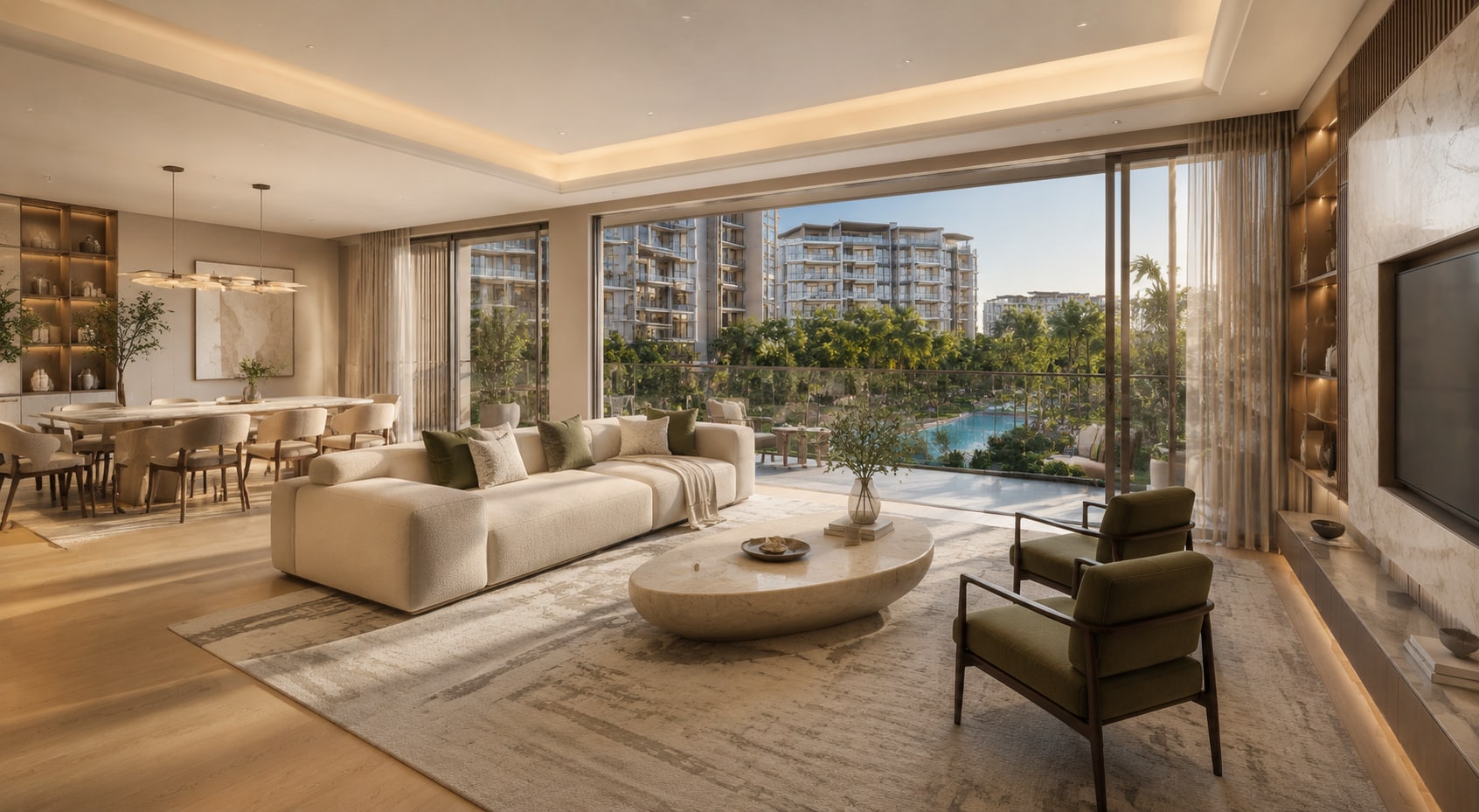
Futuristic Living: Where Modern Architecture Meets Cozy Comfort

Futuristic Living: Where Modern Architecture Meets Cozy Comfort
Imagine waking up in a home that blends cutting-edge technology with the warmth of a cozy retreat. This is the essence of futuristic living—a harmonious fusion of modern architecture and comfort that transforms the way we experience our personal spaces. Today’s homes are no longer just structures; they are intelligent, adaptive environments designed to enhance well-being, sustainability, and style. From sleek, minimalist aesthetics to integrated smart systems, futuristic living is redefining what it means to call a place home.
The concept of futuristic living isn’t just about flashy gadgets or futuristic-looking buildings. It’s about creating spaces that adapt to our needs, reduce our environmental footprint, and prioritize comfort without sacrificing elegance. Whether it’s a smart home that anticipates your every need or a modular apartment that evolves with your lifestyle, the future of residential design is here—and it’s more inviting than ever.
The Rise of Smart Homes: Technology Meets Comfort
Smart homes are at the heart of futuristic living, offering a level of convenience and personalization that was once the stuff of science fiction. These homes are equipped with advanced systems that can be controlled remotely, ensuring that every aspect of your living space works in harmony with your lifestyle.
Key features of smart homes include:
- Automated Climate Control: Smart thermostats adjust the temperature based on your preferences, optimizing energy usage and comfort.
- Voice-Activated Assistants: Devices like Amazon Alexa or Google Home allow you to control lighting, music, and appliances with simple voice commands.
- Intelligent Lighting: Smart bulbs and fixtures adjust brightness and color temperature to match your mood or time of day, creating the perfect ambiance.
- Home Security Systems: From facial recognition doorbells to automated locks, smart homes offer enhanced safety without compromising on style.
- Energy Monitoring: Smart meters and appliances track energy consumption, helping you reduce waste and lower utility bills.
These innovations aren’t just about luxury—they’re about creating a home that works for you, making daily life smoother and more enjoyable.
Sustainable Design: Building for the Future
Futuristic living also prioritizes sustainability, ensuring that our homes are not only comfortable but also eco-friendly. Modern architecture is increasingly focused on reducing environmental impact through innovative design and materials. This approach not only benefits the planet but also enhances the quality of life for residents.
Sustainable design elements in futuristic homes include:
- Passive Solar Design: Homes are oriented to maximize natural light and heat, reducing the need for artificial lighting and heating.
- Green Roofs and Walls: Living roofs and vertical gardens improve insulation, reduce stormwater runoff, and provide fresh air.
- Renewable Energy Sources: Solar panels, wind turbines, and geothermal heating systems allow homes to generate their own clean energy.
- Recycled and Local Materials: Using reclaimed wood, recycled metal, and locally sourced materials minimizes the carbon footprint of construction.
- Water Conservation: Low-flow fixtures, rainwater harvesting systems, and greywater recycling help reduce water waste.
By integrating these features, futuristic homes not only look stunning but also contribute to a healthier planet. Sustainability isn’t just a trend—it’s a necessity, and modern architecture is leading the way.
Minimalism and Maximalism: Striking the Perfect Balance
When it comes to interior design, futuristic living embraces both minimalism and maximalism, offering a spectrum of styles to suit different tastes. The key is to create spaces that feel open, uncluttered, and inviting while incorporating bold, statement-making elements.
Minimalist design focuses on clean lines, neutral colors, and functional furniture. This approach creates a sense of calm and order, allowing the architecture and smart features to take center stage. Think open floor plans, hidden storage solutions, and sleek, multi-purpose furniture.
On the other end of the spectrum, maximalist design embraces color, texture, and personal expression. Futuristic maximalism might include vibrant accent walls, statement lighting fixtures, and eclectic decor that reflects the homeowner’s personality. When done right, this style can feel just as futuristic as its minimalist counterpart—full of energy, creativity, and individuality.
Whether you prefer the simplicity of minimalism or the boldness of maximalism, futuristic living allows you to curate a space that feels uniquely yours.
Flexible and Adaptive Spaces: Homes That Evolve
One of the most exciting trends in futuristic living is the rise of flexible and adaptive spaces. These homes are designed to evolve with the needs of their occupants, ensuring that they remain functional and comfortable even as lifestyles change.
Adaptive architecture includes features like:
- Modular Furniture: Pieces that can be rearranged or expanded to suit different activities, from work to relaxation.
- Convertible Rooms: Spaces that can transform from a home office to a guest bedroom or a gym with the push of a button.
- Movable Walls: Sliding or retractable partitions that allow you to customize the layout of your home.
- Multi-Functional Areas: Open-concept living spaces that serve multiple purposes, such as a kitchen that doubles as a dining and entertainment area.
These design choices ensure that your home can adapt to your ever-changing needs, making it a lasting investment rather than a static structure.
The Role of Art and Technology in Futuristic Interiors
Art and technology are two powerful forces shaping the interiors of futuristic homes. Art adds personality and warmth, while technology enhances functionality and aesthetics. Together, they create spaces that are both beautiful and intelligent.
Incorporating art into a futuristic home can be as simple as selecting statement pieces that complement the modern architecture. Consider:
- Digital Art: Interactive screens or projections that display ever-changing artwork.
- Sculptural Lighting: Light fixtures that double as art installations, casting mesmerizing shadows and colors.
- Custom Murals: Large-scale murals that add a personal touch to walls or ceilings.
- Kinetic Sculptures: Moving art pieces that add a dynamic element to the space.
Technology, on the other hand, can be seamlessly integrated into the design. For example:
- Hidden Speakers: Audio systems that blend into the walls for a clean, uncluttered look.
- Smart Mirrors: Mirrors that display weather updates, news, or even workout routines.
- Augmented Reality Displays: Digital art or interactive surfaces that respond to touch or movement.
- Biophilic Design: Incorporating natural elements like plants or water features, enhanced by smart systems that monitor their health.
By blending art and technology, futuristic homes become more than just places to live—they become immersive experiences.
Wellness and Biophilic Design: Bringing Nature Indoors
Another defining feature of futuristic living is the emphasis on wellness and biophilic design—the practice of connecting occupants with nature. Studies show that exposure to natural elements can reduce stress, boost productivity, and improve overall well-being. Modern architecture is incorporating these principles to create healthier, happier living spaces.
Biophilic design elements in futuristic homes include:
- Indoor Greenery: Living walls, vertical gardens, and potted plants that purify the air and add a touch of nature.
- Natural Light Optimization: Large windows, skylights, and light wells that flood interiors with sunlight, reducing the need for artificial lighting.
- Water Features: Indoor fountains or reflecting pools that add a calming, soothing element to the space.
- Natural Materials: Wood, stone, and bamboo that bring warmth and texture to interiors.
- Air-Purifying Systems: Smart ventilation systems that ensure clean, fresh air circulation.
These features not only enhance the aesthetic appeal of a home but also promote physical and mental well-being, making futuristic living a holistic experience.
The Future of Community: Co-Living and Shared Spaces
Futuristic living isn’t just about individual homes—it’s also about reimagining the way we live together. Co-living spaces and shared amenities are becoming increasingly popular, offering a sense of community while maintaining the comfort and privacy of modern living.
Co-living arrangements often include:
- Shared Kitchens and Lounges: Spaces designed for socializing and collaboration.
- Co-Working Areas: Workspaces that encourage productivity and networking.
- Wellness Centers: Gyms, spas, and meditation rooms that promote health and relaxation.
- Green Spaces: Communal gardens or rooftop terraces where residents can connect with nature and each other.
- Smart Common Areas: Areas equipped with technology to facilitate communication and shared experiences.
These spaces foster a sense of belonging while offering the flexibility and convenience of modern living. Whether you’re a young professional, a digital nomad, or a retiree, co-living provides an opportunity to live in a community that shares your values and lifestyle.
Conclusion: Embracing the Future of Home
Futuristic living is more than just a trend—it’s a revolution in the way we think about home. By blending modern architecture with cozy comfort, sustainability, and cutting-edge technology, these spaces offer the best of both worlds: innovation and warmth. Whether you’re drawn to the sleek lines of a smart home, the eco-friendly design of a sustainable dwelling, or the vibrant energy of a maximalist interior, the future of living is here—and it’s designed to make life better.
As we continue to push the boundaries of design and technology, one thing is clear: the homes of tomorrow will not only be places to live but also sanctuaries that nurture our well-being, creativity, and connection to the world around us. The future is bright, and it’s waiting for you to step inside.