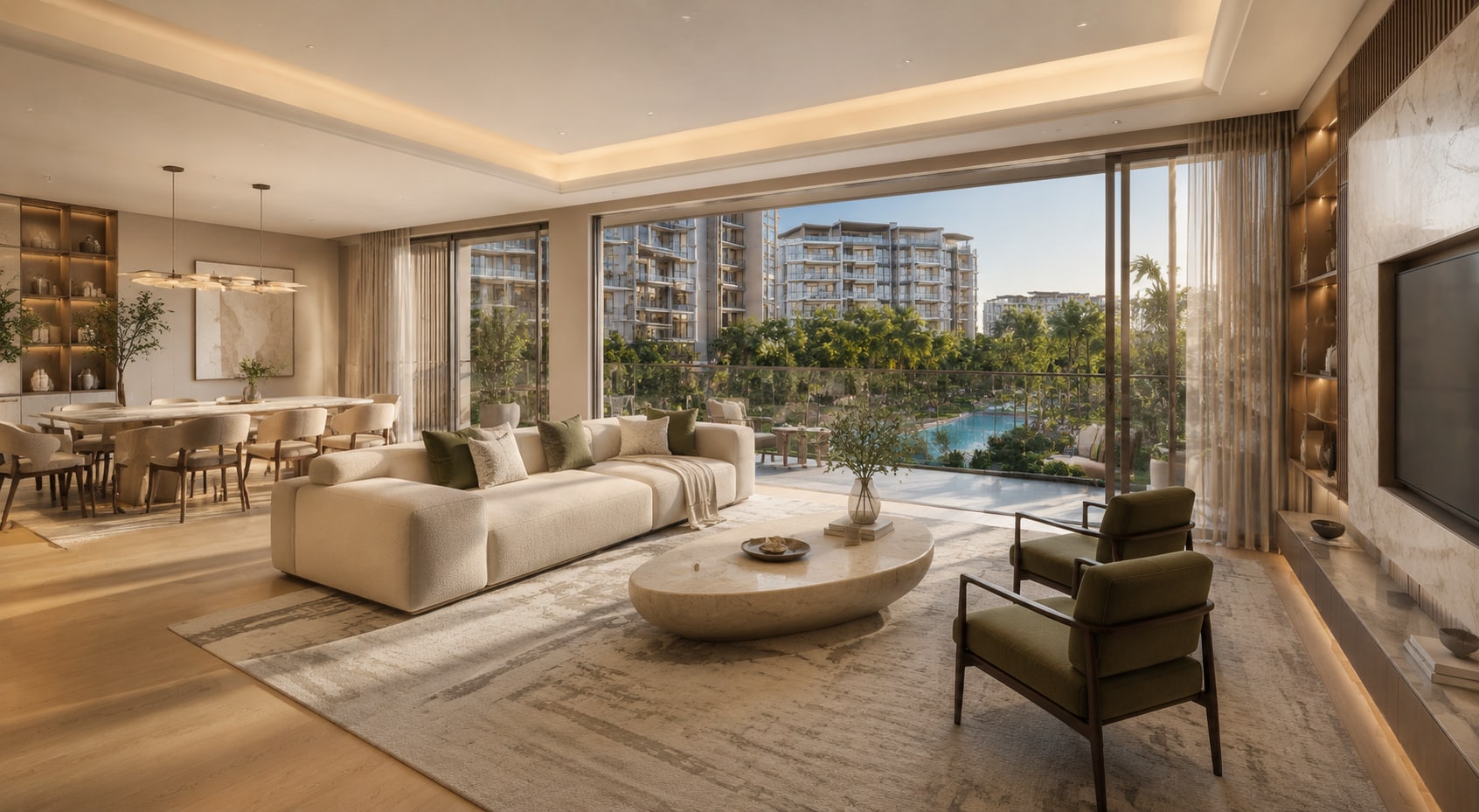
Mid-Century Modern Meets Maximalism: A Bold Fusion of Interior Styles

Introduction & Background
Interior design is constantly evolving, yet some styles retain their timeless appeal while others gain new life through modern reinterpretations. Among these, Mid-Century Modern and Maximalism stand at opposite ends of the design spectrum. Mid-Century Modern, rooted in the post-World War II era, is celebrated for its clean lines, organic curves, and emphasis on functionality. In contrast, Maximalism thrives on abundance, bold colors, layered textures, and self-expression without restraint. While these styles may seem incompatible at first glance, a growing trend is emerging where they converge to create interiors that are both sophisticated and vibrant. This fusion challenges the minimalist norm and invites personal stories into the home through intentional clutter and curated chaos. Understanding this blend opens doors to homes that feel uniquely alive, balanced, and deeply personal.
Concept & Overview
The fusion of Mid-Century Modern and Maximalism represents a deliberate departure from the “less is more” philosophy, instead embracing “more is more,” but with structure. At its core, this hybrid style retains the functional elegance and geometric simplicity of Mid-Century Modern design, think tapered legs on furniture, warm wood tones, and uncluttered silhouettes, while layering in the exuberance of Maximalism. This means introducing bold colors, eclectic patterns, vintage collectibles, and layered decor that tell a story. The result is a space that feels curated yet exuberant, orderly yet rich with character. It’s about striking a balance between intentional design and joyful abundance, creating interiors that are both visually captivating and emotionally resonant.
Key Features & Highlights
- Clean Silhouettes with Pop of Color: Furniture pieces retain the sleek lines of Mid-Century Modern design, but are paired with vibrant upholstery, colorful throw pillows, or statement art. Think a teak dining table with mustard-yellow chairs and abstract geometric art on the walls.
- Layered Textures and Materials: Combining warm woods, smooth plastics, and rich fabrics like velvet or bouclé. A mid-century sofa in olive green might be accented with a faux fur throw, a ceramic vase, and a brass floor lamp.
- Eclectic Art and Decor: Mixing vintage posters, modern prints, and sculptural objects. A gallery wall could feature black-and-white mid-century photography alongside a bold, colorful abstract painting.
- Bold Patterns in Moderation: While Maximalism often embraces all-over pattern, this fusion uses it sparingly but intentionally. A patterned rug might anchor a room, while solid furniture pieces keep the space from feeling overwhelming.
- Functional Storage with Personality: Mid-century storage solutions like teak sideboards or walnut credenzas are used to display collectibles, books, and decorative objects. Open shelving in kitchens or living rooms showcases colorful dishware or retro glassware.
- Warm, Moody Color Palettes: Instead of stark minimalism, the palette leans into deep jewel tones (emerald, sapphire, burgundy) balanced with neutral bases like cream, warm gray, or soft beige. These colors are often inspired by mid-century color theory but amplified in saturation.
Frequently Asked Questions / Pros & Cons
What defines the fusion of Mid-Century Modern and Maximalism?
This fusion is defined by the marriage of Mid-Century Modern’s clean lines, functional forms, and natural materials with Maximalism’s love for bold colors, layered textures, and personal expression. It’s not about clutter for clutter’s sake, but about curating abundance with purpose and design integrity.
Is this style suitable for small spaces?
Yes, but with intentionality. In smaller rooms, focus on a few standout furniture pieces with clean lines and use vertical space for decor. Avoid overcrowding surfaces and prioritize multifunctional storage to maintain openness while maximizing personality.
Can this style work in a contemporary home?
Absolutely. The fusion is highly adaptable to modern architecture. The key is to anchor the space with mid-century furniture or architectural details, then layer in maximalist elements through art, textiles, and decor. The contrast creates visual interest and a sense of curated depth.
What are the pros of this design approach?
- Emotional Resonance: The space feels deeply personal and reflective of the homeowner’s identity.
- Visual Drama: Creates a statement-making interior that feels alive and engaging.
- Flexibility: Easily updated by swapping out smaller decor items without a full redesign.
- Timeless yet Trendy: Mid-century elements anchor the design in timelessness, while maximalist accents allow for modern trends to shine.
What are the cons to consider?
- Overwhelm Risk: Without careful curation, the space can feel chaotic or cluttered rather than intentional.
- Maintenance: More decor and textiles mean more dusting, cleaning, and organization.
- Cost: High-quality mid-century pieces and unique collectibles can be expensive, especially vintage items.
- Taste Variability: What feels bold and beautiful to one person may feel overwhelming to another.
Practical Guidance & Solutions
To successfully blend Mid-Century Modern and Maximalism, start with a neutral base. Choose furniture with clean lines, such as a walnut dresser or a molded plastic chair, in earthy or warm tones. Then, build up with layers of color and texture. Begin with a bold area rug in a geometric or abstract pattern, and complement it with throw pillows in contrasting hues. Use open shelving to display a mix of books, plants, and decorative objects in varying heights and colors.
When selecting decor, follow the “rule of three” to maintain harmony. Group items in threes on shelves or tables to create visual balance without monotony. Incorporate vintage finds like a ceramic vase or a retro lamp to add character, and pair them with modern art or photography. Lighting plays a crucial role, choose statement fixtures like a Sputnik chandelier or a sculptural floor lamp to anchor the room with mid-century flair.
To avoid clutter, adopt a “one in, one out” policy. For every new decorative item added, remove an old one. This keeps the space feeling curated rather than crowded. Also, use color to unify the space. Pick one dominant color from your maximalist palette and repeat it in small doses, perhaps in a throw blanket, a piece of art, or a ceramic dish, to create cohesion across the room.
Finally, don’t forget the power of negative space. In a maximalist setting, empty areas are just as important as filled ones. Leave breathing room around key furniture pieces to allow the eye to rest and appreciate the details without feeling overwhelmed.
Conclusion
The fusion of Mid-Century Modern and Maximalism is more than a design trend, it’s a celebration of balance between order and expression. It proves that a home doesn’t have to be minimal to feel sophisticated, nor does it need to be chaotic to feel personal. This style invites us to embrace both structure and spontaneity, clarity and abundance. Whether through a bold sofa against a neutral wall or a gallery wall bursting with color, this approach transforms living spaces into dynamic, story-rich environments. As we move toward interiors that reflect our fullest selves, this bold fusion offers a refreshing alternative to the sterile perfection of minimalism, proving that home is not just a place, it’s a feeling. By blending the best of both worlds, we create spaces that are not only beautiful to look at but deeply meaningful to live in.