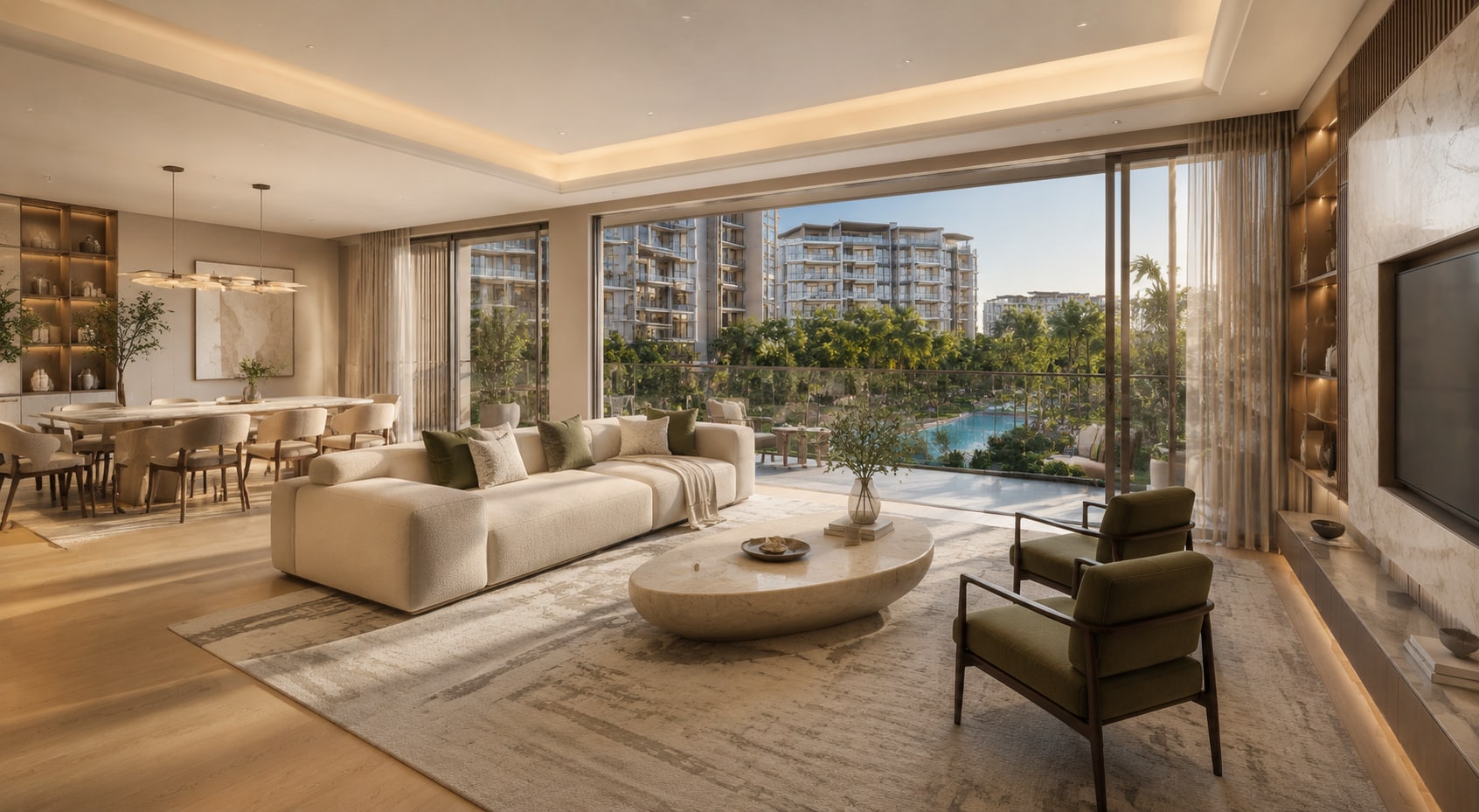
Remodeling in 2024: Trends Set to Transform Your Home

Remodeling in 2024: Trends Set to Transform Your Home
As we move through 2024, home remodeling is evolving in exciting ways. Homeowners are increasingly prioritizing sustainability, technology integration, and multifunctional spaces to adapt to modern lifestyles. Whether you’re planning a minor refresh or a full-scale renovation, staying ahead of these trends can help you create a home that’s both stylish and functional. Below, we explore the top remodeling trends that are set to transform homes this year.
1. Sustainable and Eco-Friendly Materials
Sustainability continues to be a driving force in home remodeling. In 2024, more homeowners are opting for eco-friendly materials that reduce their environmental footprint while enhancing aesthetics and durability. These trends not only benefit the planet but also often result in long-term cost savings through energy efficiency and durability.
- Reclaimed Wood: Used for flooring, cabinetry, and accent walls, reclaimed wood adds rustic charm while reducing deforestation. Its unique textures and patina tell a story, making it a popular choice for those seeking character in their spaces.
- Bamboo Flooring: A rapidly renewable resource, bamboo is durable, water-resistant, and available in a variety of finishes. It’s an excellent alternative to traditional hardwood and works well in both modern and traditional interiors.
- Recycled Glass Countertops: Made from post-consumer glass, these countertops are not only visually striking but also resistant to stains and heat. They come in an array of colors, allowing for customization that fits any design scheme.
- Low-VOC Paints and Finishes: Volatile Organic Compounds (VOCs) found in conventional paints can harm indoor air quality. Low-VOC and zero-VOC paints are now widely available, offering a safer option without compromising on color or durability.
- Natural Stone and Composite Materials: Stones like quartz and recycled composite materials are being used for countertops, backsplashes, and flooring. These materials are both sustainable and resilient, making them ideal for high-traffic areas.
2. Smart Home Integration
Technology is no longer a luxury but a necessity in modern homes. In 2024, smart home features are becoming more accessible and integrated into remodeling projects. From energy management to security, these innovations enhance convenience, safety, and efficiency.
- Automated Lighting Systems: Smart bulbs and lighting systems allow homeowners to control lighting via voice commands or smartphone apps. Features like dimming, color temperature adjustment, and scheduling help set the perfect ambiance while reducing energy consumption.
- Smart Thermostats: Devices like Nest and Ecobee learn your habits and adjust temperatures automatically, optimizing energy use and lowering utility bills. They can also integrate with other smart devices for a cohesive home system.
- Voice-Controlled Assistants: Integration of Amazon Alexa, Google Assistant, or Apple HomeKit enables seamless control of various home systems. This includes everything from blinds and locks to kitchen appliances and entertainment systems.
- Smart Security Systems: From video doorbells to motion-sensor cameras, smart security options provide real-time alerts and remote monitoring. Many systems can now integrate with smart locks, allowing keyless entry and temporary access codes for guests.
- Energy Monitoring Devices: Smart plugs and energy monitors track electricity usage, helping homeowners identify energy vampires and reduce waste. This data-driven approach encourages more mindful consumption.
3. Multifunctional and Flexible Spaces
The way we use our homes has shifted dramatically in recent years. With remote work, hybrid lifestyles, and growing families, homeowners are seeking spaces that can adapt to multiple purposes. In 2024, remodeling projects are focusing on creating flexible, multifunctional areas that cater to diverse needs.
- Home Offices with Dual Purposes: Many homeowners are integrating offices into larger spaces like living rooms or bedrooms. Fold-down desks, hidden storage, and modular furniture allow these areas to transform from workspaces to guest rooms or hobby areas as needed.
- Convertible Guest Rooms: Murphy beds and sofa beds remain popular, but 2024 sees a rise in innovative solutions like wall beds with built-in shelving or desks. These designs maximize floor space while providing comfortable sleeping arrangements.
- Outdoor Living Extensions: With indoor-outdoor living becoming more desirable, remodeling projects now include covered patios, sunrooms, or even fully equipped outdoor kitchens. These spaces serve as extensions of the home, perfect for relaxation and entertainment.
- Modular Furniture: Pieces like expandable dining tables, nesting coffee tables, and storage ottomans allow homeowners to reconfigure their spaces quickly. This adaptability is ideal for smaller homes or those with changing needs.
- Multipurpose Kitchens: Kitchens are evolving into hubs that serve more than just meal preparation. Islands with seating double as workspaces or breakfast bars, while pantries are being expanded to include coffee stations or wine refrigerators.
4. Biophilic Design: Bringing Nature Indoors
Biophilic design, which emphasizes the connection between humans and nature, is gaining significant traction in 2024. This approach focuses on incorporating natural elements into the home to improve well-being, reduce stress, and enhance aesthetics. By integrating nature-inspired features, homeowners can create serene and rejuvenating environments.
- Indoor Plants and Green Walls: Large leafy plants like monstera and fiddle-leaf figs are popular choices for adding greenery to interiors. Living walls, or vertical gardens, are also becoming a statement feature in living rooms and bedrooms.
- Natural Light Optimization: Maximizing natural light through larger windows, skylights, and glass doors is a key aspect of biophilic design. Not only does this reduce the need for artificial lighting, but it also improves mood and productivity.
- Natural Textures and Materials: Incorporating materials like jute, linen, wood, and stone adds tactile warmth to a space. Textured wallpapers, woven rugs, and wooden furniture bring the outdoors in, creating a cozy and inviting atmosphere.
- Water Features: Indoor water fountains or tabletop waterfalls add a soothing auditory element to the home. These features can be incorporated into living rooms, bathrooms, or even home offices to promote relaxation.
- Nature-Inspired Color Palettes: Earthy tones like sage green, terracotta, sandy beige, and deep blues are dominating color schemes. These hues evoke the tranquility of natural landscapes and pair well with organic materials.
5. Minimalist and Maximalist Fusion
In 2024, the debate between minimalism and maximalism is taking a backseat as homeowners embrace a fusion of both styles. This trend allows for personal expression while maintaining clean lines and intentional design. The key is balancing simplicity with bold accents and meaningful decor.
- Minimalist Foundations: Clean, clutter-free spaces with neutral color palettes and simple furniture remain a staple. This foundation creates a sense of calm and order, which is essential in today’s fast-paced world.
- Maximalist Accents: To inject personality and vibrancy, homeowners are incorporating bold patterns, vibrant colors, and eclectic decor. This can include statement wallpapers, colorful rugs, or an array of artwork in gallery walls.
- Curated Collections: Rather than filling spaces with unnecessary items, maximalist elements are thoughtfully curated. This might include displaying travel souvenirs, art pieces, or heirlooms that hold personal significance.
- Mixing Textures and Finishes: Combining different materials like matte and glossy surfaces, metals, and woods adds depth and interest to minimalist spaces. For example, a sleek marble countertop paired with warm wooden cabinets creates a balanced yet dynamic look.
- Bold Furniture Pieces: A single statement piece, such as a brightly colored armchair or an oversized sculptural coffee table, can elevate a minimalist room without overwhelming it.
6. Spa-Like Bathrooms
Bathrooms are no longer just functional spaces but sanctuaries for relaxation and self-care. In 2024, homeowners are investing in spa-like bathroom remodels that prioritize comfort, luxury, and wellness. These designs focus on creating a calming retreat that promotes mental and physical well-being.
- Freestanding Soaking Tubs: Clawfoot tubs and modern freestanding designs are becoming must-haves. These tubs, often paired with rainfall showerheads, provide a luxurious bathing experience.
- Heated Floors and Towel Warmers: Radiant floor heating and towel warmers add a touch of indulgence, especially in colder climates. These features ensure comfort year-round.
- Smart Showers: High-tech shower systems with digital controls, steam functions, and built-in speakers are gaining popularity. Some even offer aromatherapy and chromotherapy lighting for a personalized experience.
- Natural Stone and Wood Accents: Materials like marble, travertine, and teak bring an organic, spa-like feel to bathrooms. These elements are often used for vanities, walls, or flooring.
- Minimalist Storage Solutions: Floating vanities and built-in niches keep surfaces clutter-free, contributing to a serene atmosphere. Hidden storage for toiletries and linens maintains the clean aesthetic.
- Large Format Tiles: Oversized tiles reduce grout lines, creating a sleek and expansive look. They’re easier to clean and maintain, making them a practical choice for busy households.
7. Outdoor Living Redefined
Outdoor spaces are being reimagined as extensions of the home, with a focus on year-round usability and luxury. In 2024, homeowners are investing in high-quality outdoor living areas that blend seamlessly with indoor spaces, offering both functionality and aesthetic appeal.
- Outdoor Kitchens and Bars: Fully equipped outdoor kitchens with stainless steel appliances, pizza ovens, and wine fridges are becoming standard in many remodels. These spaces are perfect for entertaining and enjoying meals al fresco.
- Covered and Enclosed Patios: Pergolas, retractable awnings, and screen rooms extend the usability of outdoor spaces by providing shelter from the elements. Some homeowners are even opting for fully enclosed sunrooms or solariums.
- Fire Features: Fire pits, outdoor fireplaces, and tabletop fire bowls create cozy gathering spots. These features add warmth and ambiance, making outdoor spaces inviting even on cooler evenings.
- Landscaping with Purpose: Native plants, drought-resistant gardens, and pollinator-friendly landscapes are trending. These choices reduce maintenance while supporting local ecosystems.
- Outdoor Lighting Design: Layered lighting, including string lights, pathway lights, and uplighting for trees or architectural features, enhances safety and aesthetics. Smart lighting systems allow homeowners to adjust outdoor lighting remotely.
- Comfortable Seating Areas: Weather-resistant sofas, lounge chairs, and hammocks are designed for relaxation and entertainment. Outdoor rugs and cushions add comfort and style, blurring the lines between indoor and outdoor living.
8. Aging-in-Place and Universal Design
As the population ages, there’s a growing emphasis on remodeling homes to accommodate all life stages. Universal design principles focus on creating spaces that are accessible, safe, and comfortable for everyone, regardless of age or mobility. In 2024, these features are becoming more mainstream in remodeling projects.
- No-Step Entryways: Eliminating steps at entrances and between rooms improves accessibility. Ramps or gradual slopes can be integrated seamlessly into the home’s design.
- Wider Doorways and Hallways: Expanding doorways to at least 36 inches and hallways to 42 inches accommodates wheelchairs and walkers while making spaces feel more open.
- Lever Door Handles: Replacing traditional doorknobs with lever handles makes doors easier to operate, especially for those with arthritis or limited hand strength.
- Walk-in Showers: Barrier-free showers with non-slip flooring and built-in seating are replacing tubs in many bathrooms. These designs are safer and more user-friendly.
- Adjustable Countertops and Cabinets: Height-adjustable sinks, countertops, and cabinets can be customized for different users. Pull-out shelves and drawers improve accessibility in kitchens and bathrooms.
- Non-Slip Flooring: Materials like slip-resistant tile, vinyl, or rubber flooring reduce the risk of falls. Textured surfaces provide better traction without sacrificing style.
- Smart Home Features for Accessibility: Voice-controlled lighting, thermostats, and security systems make it easier for individuals with mobility challenges to manage their homes independently.
Final Thoughts: Remodeling for the Future
Remodeling in 2024 is all about creating homes that are sustainable, adaptable, and deeply connected to the well-being of their inhabitants. Whether you’re drawn to eco-friendly materials, smart technology, or spa-like bathrooms, the trends of this year offer endless possibilities to transform your space. The key is to prioritize what matters most to you and your family while keeping an eye on longevity and functionality.
As you plan your remodeling project, consider consulting with professionals who specialize in these trends. They can help you navigate the complexities of design, material selection, and installation to ensure your vision becomes a reality. With the right approach, your home can become a sanctuary that reflects your values and supports your lifestyle for years to come.