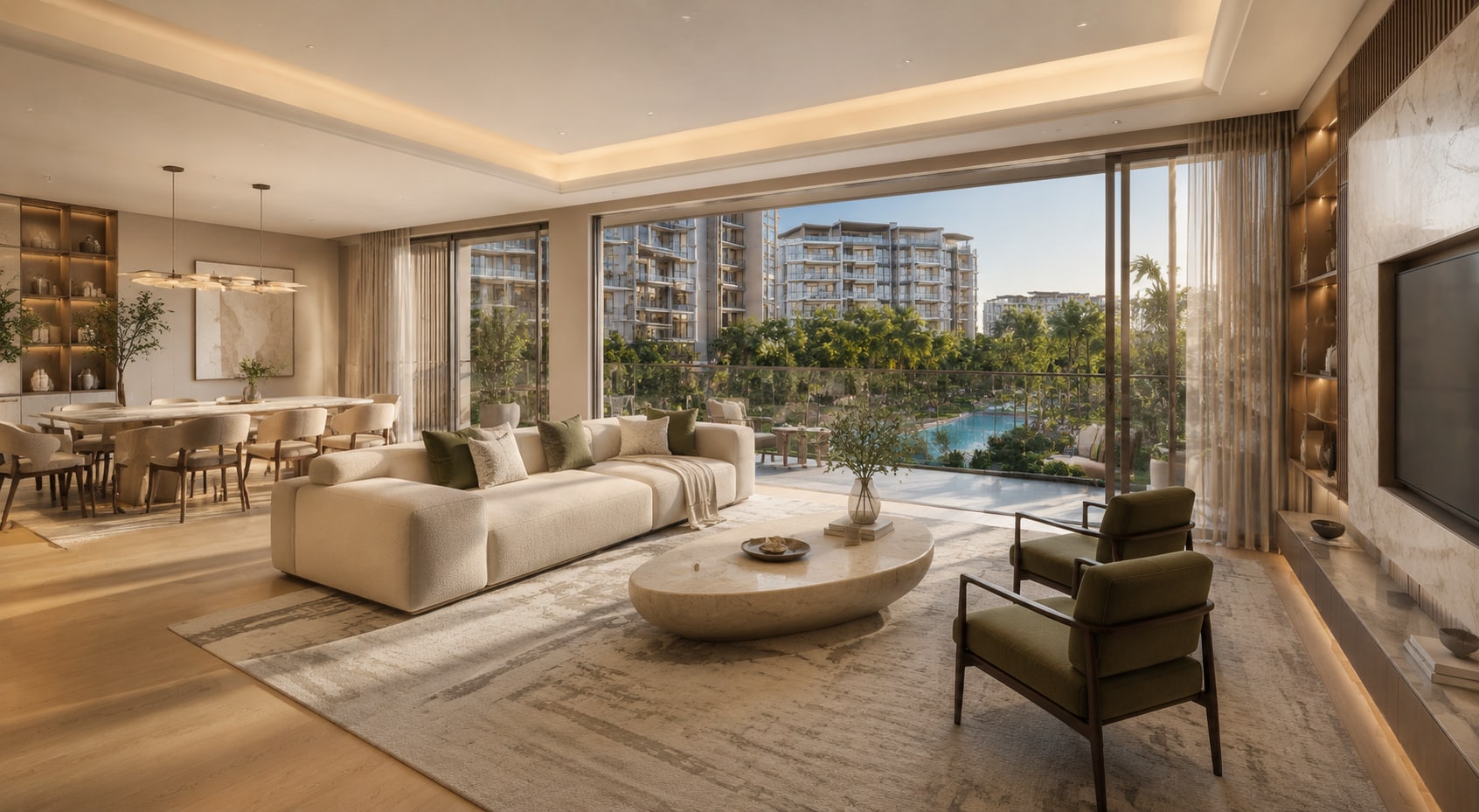
Revive Your Space: 5 Eco-Friendly Home Decor Ideas to Transform Your Sanctuary

Introduction & Background
Creating a home that feels both inviting and sustainable is more than just a trend. It reflects a growing awareness of our environmental impact and a desire to build spaces that nurture both body and soul. As climate concerns rise and natural resources dwindle, many people are turning toward eco-friendly home decor as a meaningful way to align their living spaces with their values. This movement isn’t just about aesthetics. It’s about making choices that reduce waste, support ethical production, and promote healthier indoor environments. By incorporating sustainable materials and mindful design, you can transform your home into a sanctuary that not only looks beautiful but also does good for the planet.
Concept & Overview
Eco-friendly home decor centers on the idea of creating stylish, functional living spaces using materials and methods that are kind to the environment. This approach emphasizes sustainability at every stage, from sourcing to disposal. It encourages the use of renewable resources, recycled materials, and non-toxic finishes while avoiding products that contribute to pollution or depletion of natural resources. At its core, eco-friendly decor is about balance. It values aesthetic appeal without compromising on environmental responsibility. It also fosters a connection to nature through textures, colors, and patterns inspired by the natural world. Whether you live in a small apartment or a spacious house, integrating these principles can help you craft a home that feels both modern and mindful.
Key Features & Highlights
- Natural and Recycled Materials: Opt for decor made from reclaimed wood, bamboo, cork, linen, or recycled glass. These materials reduce waste and often come with unique textures and stories.
- Low-VOC or Zero-VOC Paints: Traditional paints release harmful volatile organic compounds (VOCs) into the air. Eco-friendly paints are made without these chemicals, improving indoor air quality and protecting your health.
- Energy-Efficient Lighting: Choose LED bulbs, solar-powered lamps, or fixtures with dimmable options to cut down on energy use while creating warm, inviting lighting.
- Upcycled and Handmade Furniture: Instead of buying mass-produced furniture, consider thrifted pieces or custom designs made by local artisans using sustainable practices.
- Indoor Plants for Air Purification: Houseplants like snake plants, peace lilies, and spider plants not only enhance decor but also naturally filter toxins from the air.
Frequently Asked Questions / Pros & Cons
What exactly qualifies as eco-friendly home decor?
Eco-friendly home decor includes items made from sustainable, recycled, or upcycled materials. It also involves using non-toxic, low-impact processes in production and design. This means avoiding synthetic fabrics, plastics, and chemically treated woods that can harm the environment or your health over time.
Is eco-friendly decor more expensive than traditional options?
It can be, especially for high-quality sustainable materials like reclaimed hardwood or organic cotton textiles. However, investing in durable, long-lasting pieces often saves money in the long run by reducing the need for frequent replacements. There are also affordable eco options, such as thrifted furniture, secondhand decor, and DIY upcycling projects.
Can eco-friendly decor still look stylish and modern?
Absolutely. Many designers now specialize in contemporary eco-conscious interiors. Clean lines, neutral palettes, and natural textures can create a sleek, modern look while using sustainable materials. Brands and artisans are increasingly offering stylish alternatives that don’t compromise on aesthetics.
Are there certifications to look for when buying eco-friendly decor?
Yes. Look for certifications such as GOTS (Global Organic Textile Standard) for fabrics, FSC (Forest Stewardship Council) for wood products, and Greenguard for low-emission building materials. These labels help ensure that products meet strict environmental and health standards.
What are the main challenges of transitioning to eco-friendly decor?
The biggest challenges include higher upfront costs, limited availability of sustainable options in some areas, and the need for more research to make informed purchasing decisions. Some people also worry about durability, but many eco-friendly products are designed to last longer than conventional ones.
Practical Guidance & Solutions
Ready to bring eco-friendly decor into your home? Start small by swapping out disposable items for reusable alternatives, like cloth napkins or glass storage containers. Gradually replace old paint with low-VOC versions and introduce a few indoor plants to improve air quality. When shopping, prioritize quality over quantity and support local artisans or fair-trade brands whenever possible.
For a deeper transformation, consider repurposing furniture you already own. A fresh coat of eco-paint or new hardware can breathe new life into an old dresser. Thrift stores and flea markets are treasure troves for unique, budget-friendly finds that can be easily refreshed. Don’t forget to declutter responsibly, donate or recycle items you no longer need instead of tossing them in the trash.
As you curate your space, focus on creating a balance between functionality and sustainability. Choose decor that serves a purpose, like storage baskets made from seagrass or a coffee table crafted from reclaimed barn wood. By making intentional choices, your home will not only look beautiful but also tell a story of care and responsibility toward the planet.
Conclusion
Reviving your living space with eco-friendly decor is a powerful way to honor the environment while creating a home that feels truly yours. It’s about more than just trends. It’s a commitment to thoughtful living, where every piece reflects your values and contributes to a healthier world. As you embrace natural materials, energy-efficient solutions, and mindful design, your sanctuary becomes a place of peace, purpose, and possibility. Start small, stay consistent, and let your home inspire both you and those around you to live more sustainably. After all, the most beautiful spaces are those that nurture both the soul and the planet.