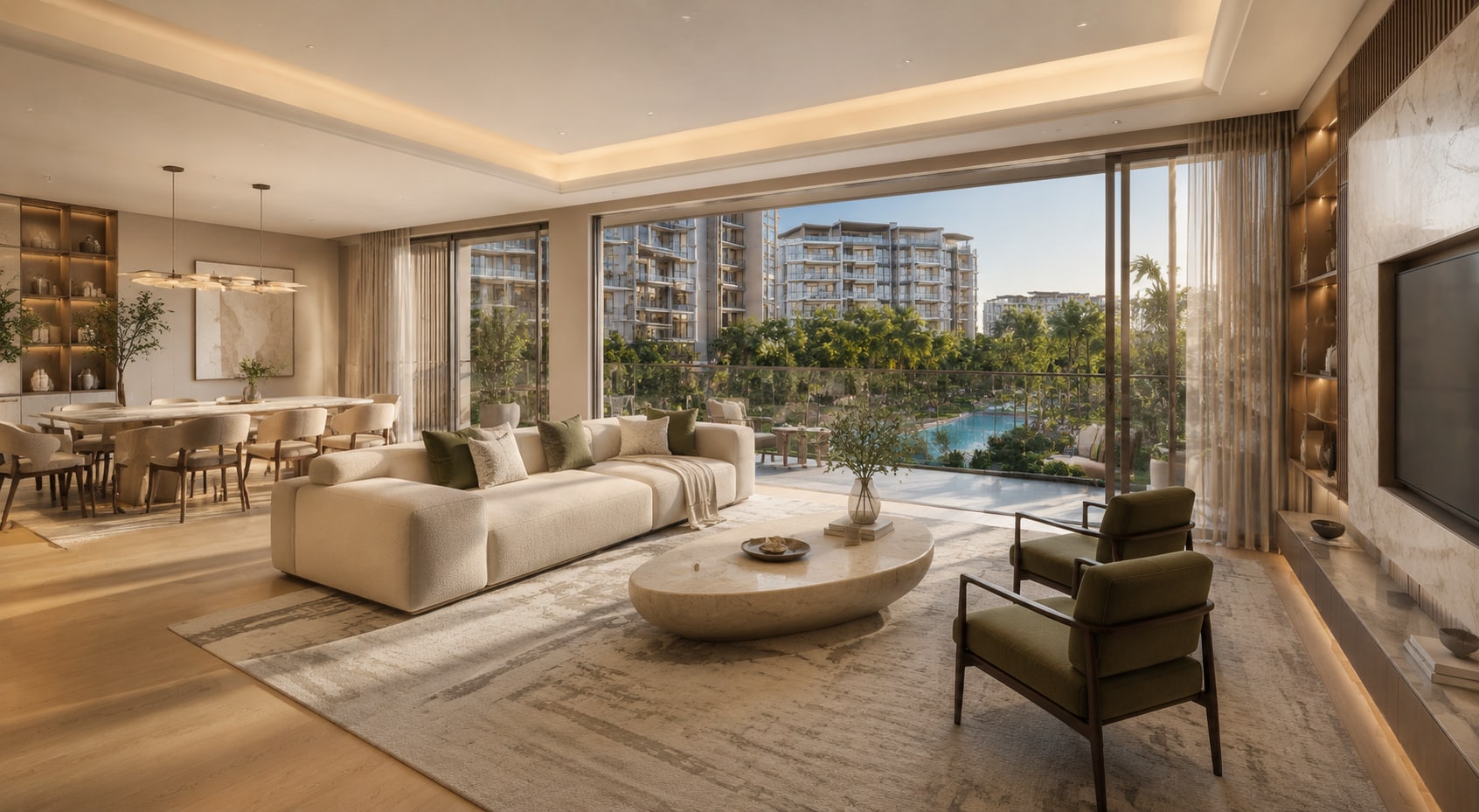
Transforming Walls into Stories: The Art of Home Design

The Art of Home Design: Transforming Walls into Stories
Every home has a story, and every wall is a blank canvas waiting to be filled with personality, memory, and creativity. The art of home design goes beyond mere aesthetics; it’s about crafting an environment that reflects your identity, evokes emotions, and tells your unique tale. One of the most powerful ways to achieve this is by transforming walls into storytelling canvases. Whether through paint, textures, artwork, or innovative installations, walls can become the heart of your home’s narrative. This article explores how to turn blank spaces into meaningful expressions of who you are.
Why Walls Matter in Home Design
Walls are more than structural elements—they are the backdrop of daily life. They frame our conversations, highlight our achievements, and ground us in comfort. In interior design, walls serve as the foundation upon which the entire aesthetic of a space is built. A well-designed wall can:
- Set the mood and tone of a room
- Create visual interest and depth
- Reflect personal style and values
- Enhance functionality through smart use of space
- Inspire creativity and emotional connection
When thoughtfully designed, walls become more than just surfaces—they become living stories that evolve with you.
Choosing a Narrative: Themes That Resonate
The first step in transforming your walls is deciding what story you want to tell. Your home’s narrative should be as unique as you are. Consider these themes as starting points for inspiration:
- Nature-Inspired: Bring the outdoors inside with earthy tones, botanical prints, and organic textures like wood or stone. This theme fosters tranquility and connection to the natural world.
- Minimalist & Modern: Clean lines, neutral palettes, and subtle geometric patterns convey a sense of order and sophistication. This theme is ideal for those who appreciate simplicity and clarity.
- Vintage & Retro: Use warm colors, aged textures, and nostalgic decor to create a cozy, time-worn atmosphere. This theme celebrates history and craftsmanship.
- Artistic & Eclectic: Mix bold colors, abstract art, and unconventional materials to reflect a creative spirit. This theme is perfect for those who love visual diversity and self-expression.
- Cultural & Heritage: Incorporate traditional patterns, artifacts, and motifs that honor your background or travels. This theme adds depth and meaning to your space.
Your chosen theme should align with your lifestyle, values, and aesthetic preferences. It’s not about following trends—it’s about creating a space that feels authentically *you*.
Creative Techniques to Bring Walls to Life
Once you’ve identified your theme, it’s time to bring it to life. Here are several techniques to transform your walls into storytelling masterpieces:
1. Accent Walls: Focal Points with Impact
An accent wall draws the eye and serves as the centerpiece of a room. It’s a simple yet effective way to introduce color, texture, or pattern without overwhelming the space. Consider these ideas:
- Paint Techniques: Use bold hues, murals, or subtle gradients. Techniques like color blocking, stripes, or ombre effects add visual intrigue.
- Wallpaper: From floral patterns to geometric designs, wallpaper can instantly transform a wall. Peel-and-stick options make it easy to change with your mood.
- Textured Finishes: Venetian plaster, grasscloth, or textured paint adds depth and tactile appeal.
2. Gallery Walls: Curated Memories
A gallery wall is a dynamic way to showcase your life’s journey. Mix and match frames, artwork, and personal items to create a visual story:
- Theme-Based Arrangements: Group items by color, subject, or era. For example, a “travel memories” wall could feature postcards, maps, and small souvenirs.
- Eclectic Displays: Combine framed photos, paintings, and 3D objects like shelves or mirrors for a layered look.
- Symmetry vs. Asymmetry: Symmetrical arrangements feel formal and balanced, while asymmetrical layouts feel organic and playful.
3. Murals & Large-Scale Art
For those with a bold vision, murals or large-scale art installations can turn a wall into a breathtaking focal point. Options include:
- Hand-Painted Murals: Custom artwork tailored to your space, whether it’s a serene landscape or an abstract composition.
- Wall Decals: Removable, adhesive designs that mimic the look of hand-painted art without the commitment.
- Photographic Prints: High-quality prints of family moments, breathtaking landscapes, or your own photography.
4. Textural & Mixed Media Approaches
Texture adds warmth and dimension to walls. Explore these tactile techniques:
- Wood Paneling or Slats: Vertical or horizontal wood elements create a warm, organic feel. Light stains or natural finishes work well in both modern and rustic designs.
- Fabric Wall Hangings: Textiles like tapestries, woven panels, or macramé add softness and visual interest.
- Metal & Industrial Accents: Exposed metal, industrial pipes, or geometric metal art introduce an edgy, contemporary vibe.
5. Interactive & Functional Walls
Walls don’t have to be static. Incorporate interactive or functional elements to make them part of your daily life:
- Chalkboard or Whiteboard Walls: Ideal for kitchens, home offices, or kids’ rooms, these walls serve a practical purpose while encouraging creativity.
- Pegboards: Customizable and modular, pegboards offer storage and display opportunities in home offices or craft rooms.
- Bookshelves or Built-Ins: Floor-to-ceiling shelves not only provide storage but also showcase books, plants, and decor as part of the wall’s design.
Color Psychology: Setting the Emotional Tone
Color is one of the most powerful tools in storytelling through design. Different hues evoke distinct emotions and can shape the atmosphere of a room:
- Blues and Greens: Calming and restorative, these colors are perfect for bedrooms or living areas meant for relaxation.
- Warm Yellows and Oranges: Energizing and welcoming, ideal for kitchens or social spaces where conversation flows.
- Neutrals (Beige, Gray, White): Versatile and timeless, they provide a backdrop for other design elements to shine.
- Deep Reds and Purples: Dramatic and luxurious, these colors add depth and sophistication to formal spaces.
When selecting colors, consider the mood you want to cultivate. For example, a soft sage green in a bedroom can create a serene sanctuary, while a bold navy blue in a dining room can foster intimate, sophisticated gatherings.
Sustainability & Thoughtful Design
As awareness of environmental impact grows, so does the demand for sustainable design. Transforming your walls in an eco-friendly way is not only responsible but also adds a layer of meaning to your space. Consider these sustainable practices:
- Low-VOC or Zero-VOC Paints: These paints reduce harmful emissions, improving indoor air quality.
- Reclaimed Materials: Use salvaged wood, vintage wallpaper, or upcycled decor to give new life to old items.
- Natural Textiles: Opt for organic cotton, linen, or jute for fabric-based wall treatments.
- Durable Finishes: Choose high-quality materials that will stand the test of time, reducing the need for frequent replacements.
Sustainable design isn’t just about materials—it’s also about creating spaces that are built to last and adapt to your changing needs, reducing waste in the long run.
Incorporating Technology & Smart Design
Modern technology offers innovative ways to enhance wall design while maintaining functionality. Consider integrating smart solutions that blend seamlessly with your aesthetic:
- Ambient Lighting: LED strips, backlit panels, or smart bulbs can create mood lighting that changes with the time of day or your activities.
- Digital Art Frames: Rotate artwork or photographs with high-resolution digital frames that mimic the look of traditional frames.
- Projection Mapping: For a truly immersive experience, use projectors to display moving images or interactive art on your walls.
- Smart Mirrors: Mirrors with built-in lighting and connectivity can serve as both functional and decorative elements.
Technology should enhance your design, not overpower it. Choose solutions that align with your lifestyle and complement your overall vision.
Personal Touches: Making It Your Own
The most compelling wall designs are deeply personal. Infuse your space with elements that hold meaning to you:
- Family Heirlooms: Display antique clocks, inherited jewelry, or vintage textiles to honor your heritage.
- Travel Souvenirs: Frame tickets, postcards, or artifacts from your journeys to create a global story.
- DIY Projects: Handmade art, painted canvases, or upcycled furniture add a unique, hands-on touch.
- Quotes & Poetry: Use vinyl decals or framed calligraphy to display words that inspire or motivate you.
These personal touches transform walls from generic backdrops into intimate expressions of your life’s journey.
Common Mistakes to Avoid
While designing your walls, it’s easy to fall into a few common pitfalls. Keep these tips in mind to ensure a successful transformation:
- Overcrowding: Less is often more. Avoid covering every inch of wall space—leave room for breathing and visual balance.
- Ignoring Scale: Large furniture or artwork in a small room can feel overwhelming. Ensure your wall treatments complement the size of the space.
- Neglecting Lighting: Walls need proper lighting to showcase their beauty. Incorporate task lighting, spotlights, or natural light sources to highlight key features.
- Following Trends Blindly: While trends can be inspiring, prioritize designs that resonate with you personally rather than chasing what’s popular.
- Skipping the Planning Stage: Measure your space, test paint colors, and sketch out layouts before committing. A little planning goes a long way.
The Future of Wall Design: Trends to Watch
As design evolves, so do the ways we use walls to tell stories. Keep an eye on these emerging trends:
- Biophilic Design: Incorporating natural elements like living walls, stone, or wood to foster a connection with nature.
- Maximalism: Bold colors, patterns, and layers create a rich, immersive experience, celebrating individuality over minimalism.
- Modular & Reconfigurable Walls: Adaptable wall systems that allow for easy changes as needs evolve.
- Augmented Reality (AR) & Virtual Reality (VR): Designers and homeowners may soon use AR/VR tools to visualize wall treatments before implementation.
- Sustainable & Circular Design: A focus on materials that are ethically sourced, recyclable, or biodegradable.
The future of wall design is all about personalization, sustainability, and innovation—allowing homeowners to create spaces that are as unique as they are functional.
Conclusion: Your Walls, Your Story
Transforming walls into stories is more than a design choice—it’s a way to infuse your home with meaning, creativity, and identity. Whether you opt for a bold accent wall, a curated gallery, or interactive smart features, the key is to design with intention. Let your walls reflect your journey, your passions, and your dreams. After all, the most beautiful homes aren’t just decorated—they’re lived in, loved, and told through every brushstroke, texture, and carefully placed object.
So, grab a paintbrush, curate those frames, or experiment with textures. Your walls are waiting to become the canvas of your life’s next chapter.