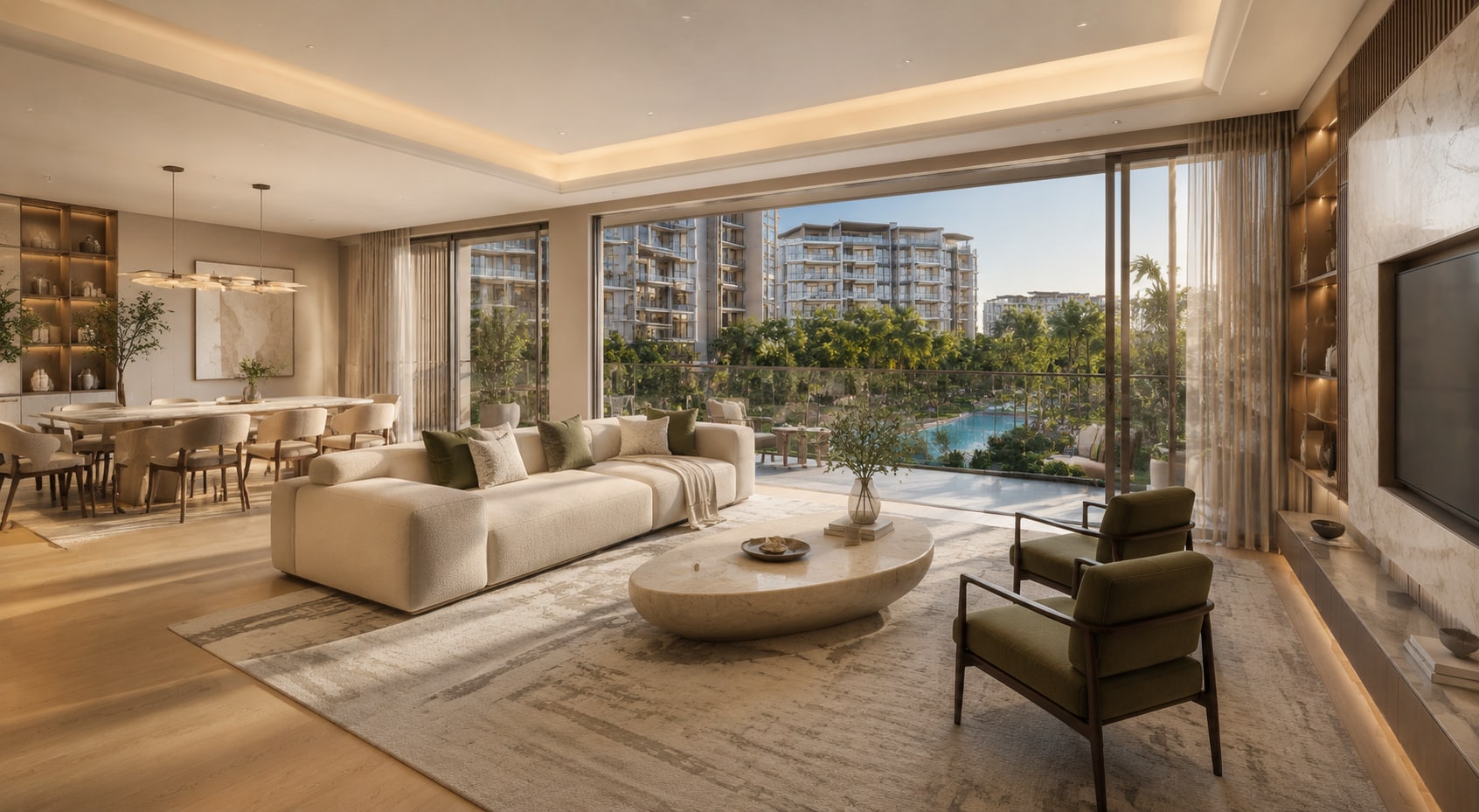
10 Unexpected Interior Design Ideas That Will Transform Your Space Instantly

10 Unexpected Interior Design Ideas That Will Transform Your Space Instantly
Interior design isn’t just about picking the right furniture or choosing a color palette—it’s about creating a space that feels uniquely yours. Sometimes, the most impactful changes come from the least expected ideas. Whether you’re looking to refresh a single room or overhaul your entire home, these unexpected interior design tricks can instantly elevate your space. From unconventional color pairings to hidden design elements, these ideas will inspire you to think outside the box.
Why Unexpected Design Ideas Work
Traditional design rules often limit creativity, making spaces feel predictable. Unexpected ideas break the mold, adding personality and intrigue to your home. They can make a room feel more dynamic, personalized, and even larger or cozier than it actually is. The key is to balance boldness with harmony—each idea should enhance rather than overwhelm your space.
Before diving into the list, consider your existing decor and how these ideas can complement or contrast with it. The goal isn’t to follow trends blindly but to find inspiration that resonates with your style and lifestyle. Ready to transform your space? Let’s explore these unexpected design ideas.
1. Swap Out Traditional Light Fixtures for Unconventional Alternatives
Lighting sets the mood of a room, and traditional fixtures like chandeliers or table lamps aren’t the only options. Consider these unexpected alternatives to instantly modernize your space:
- Industrial Pipe Lighting: Exposed metal pipes paired with Edison bulbs create a raw, urban aesthetic that works well in lofts or kitchens.
- Macramé Pendant Lights: For a bohemian touch, hang macramé or woven light shades in a dining area or bedroom.
- Floating Shelves with Hidden LED Strips: Install floating shelves and place LED strip lights underneath for a subtle, ambient glow.
- Antique Suitcase Wall Sconces: Repurpose vintage suitcases as wall-mounted light fixtures for a quirky, eclectic look.
These alternatives don’t just illuminate—they become statement pieces that draw the eye upward or add texture to your space.
2. Use Wallpaper on Unexpected Surfaces
Wallpaper isn’t just for walls anymore. Applying it to ceilings, doors, or even furniture can create a dramatic yet sophisticated effect. Here’s how to do it right:
- Ceiling Accent: A subtle floral or geometric pattern on the ceiling adds depth and draws attention upward, making the room feel larger.
- Inside Cabinet Doors: Lining the interiors of pantry or wardrobe doors with wallpaper adds a hidden pop of color or pattern.
- Furniture Upholstery: Reupholster a chair, ottoman, or headboard with wallpaper for a bold, artistic statement.
- Staircase Risers: Use wallpaper on the vertical parts of staircase steps to create a striking focal point in a hallway.
When choosing wallpaper for non-traditional surfaces, opt for durable, washable materials to ensure longevity.
3. Incorporate Nature in Unusual Ways
Biophilic design—bringing the outdoors in—is a growing trend, but it doesn’t have to be limited to potted plants. Here are some unexpected ways to incorporate nature:
- Living Walls: Install a vertical garden in your living room or kitchen using modular planters or hanging pockets.
- Tree Stump Side Tables: Use a polished tree stump as a side table or coffee table for a rustic, organic feel.
- Pressed Leaf Art: Frame pressed leaves or flowers in minimalist frames for a subtle natural touch.
- Indoor Herb Garden: Create a functional and decorative herb garden on a windowsill or countertop using small pots or hanging planters.
These ideas not only enhance aesthetics but also improve air quality and well-being.
4. Play with Scale: Oversized or Undersized Furniture
Most people stick to standard-sized furniture, but playing with scale can create visual interest and change the dynamics of a room. Consider these approaches:
- Oversized Sofa: A massive sectional or Chesterfield sofa in a small apartment can make the space feel cozier, while a large dining table in an open floor plan can anchor the room.
- Undersized Accent Chairs: Tiny chairs or stools in bold colors or patterns add whimsy and break up larger furniture arrangements.
- Tall Bookshelves: Floor-to-ceiling bookshelves draw the eye upward, making ceilings appear higher.
- Miniature Decor: Use tiny vases, candlesticks, or sculptures on shelves or tables to create a playful contrast.
The key is to balance scale with proportion—oversized pieces should be balanced with smaller ones to avoid overwhelming the space.
5. Mix Metals and Materials Unexpectedly
While matching metals (all brass, all chrome, etc.) is a common rule, mixing them can add depth and personality. Here’s how to do it seamlessly:
- Brass + Black: Pair brass light fixtures with black hardware or furniture for a modern, high-contrast look.
- Gold + Wood: Combine gold-accented decor with natural wood tones for a warm, eclectic vibe.
- Copper + Concrete: Use copper pots or trays alongside concrete countertops or shelves for an industrial-meets-luxury feel.
- Chrome + Wicker: Mix sleek chrome furniture with woven wicker chairs or baskets for a coastal or boho aesthetic.
To avoid a chaotic look, stick to a consistent color palette and vary the finishes rather than the metals themselves.
6. Reimagine Your Doors and Windows
Doors and windows are often overlooked, but they offer huge design potential. Here’s how to transform them:
- Glass Block Windows: Replace traditional windows with glass blocks to diffuse light and add a retro, spa-like feel.
- Sliding Barn Doors: Install a barn door in place of a standard interior door to save space and add rustic charm.
- French Door Dividers: Use French doors to create a visual separation between rooms without closing them off.
- Window Seat Nooks: Build a window seat with built-in storage to maximize space and add a cozy reading corner.
These changes can improve functionality while making a bold design statement.
7. Use Textiles in Unexpected Places
Textiles aren’t just for curtains and rugs—they can be used in creative ways to add warmth and texture. Try these ideas:
- Fabric Headboard: Upholster a headboard with bold fabric or even a vintage tapestry for a luxurious bedroom focal point.
- Padded Ceiling: Cover part of your ceiling with fabric to create a cozy, cocoon-like effect.
- Textile Wall Hangings: Hang woven tapestries, macramé, or fabric panels as art to add dimension to bare walls.
- Upholstered Ceiling Beams: Wrap ceiling beams with fabric to soften a room and add a touch of elegance.
These ideas work particularly well in bedrooms, living rooms, or any space where you want to create a soft, inviting atmosphere.
8. Incorporate Mirrors in Non-Traditional Ways
Mirrors are a designer’s secret weapon for making spaces feel larger and brighter. Instead of just hanging them on walls, try these unexpected placements:
- Mirrored Furniture: Use a mirrored coffee table, side table, or dresser to reflect light and add glamour.
- Ceiling Mirrors: Install a mirror on the ceiling above a dining table or bed to create the illusion of height.
- Mirrored Backsplash: In the kitchen or bathroom, use mirrored tiles as a backsplash to bounce light around the room.
- Floating Mirror Shelves: Combine mirrors with floating shelves for a multi-functional piece that saves space.
These ideas not only expand visual space but also add a touch of luxury.
9. Embrace the Power of Negative Space
Negative space—empty areas around and between objects—is often underestimated but can dramatically improve a room’s flow. Here’s how to leverage it:
- Minimalist Furniture Arrangements: Place furniture away from walls to create breathing room and highlight architectural features.
- Empty Wall Galleries: Instead of filling every inch of wall space, curate a few statement pieces to draw attention.
- Decluttered Surfaces: Keep countertops, tables, and shelves free of excess items to emphasize the beauty of individual pieces.
- Open Floor Plans: In small spaces, use negative space to avoid a cramped feel—opt for fewer, larger furniture items.
Negative space allows your design elements to shine and makes a room feel more intentional and serene.
10. Add a Surprise Element with Hidden Storage
Storage doesn’t have to be boring—hidden storage solutions can be both functional and visually striking. Consider these clever ideas:
- Secret Bookcase Doors: Install a bookcase that doubles as a hidden door to a closet or pantry.
- Under-Stair Drawers: Maximize space under staircases with pull-out drawers or cabinets.
- Furniture with Hidden Compartments: Choose ottomans, benches, or beds with built-in storage to keep clutter out of sight.
- Wall Niches: Carve out recessed shelves in walls to display decor while keeping surfaces clear.
These solutions help maintain a clean, uncluttered look while ensuring your space remains practical.
Final Thoughts: Make Your Space Truly Yours
Interior design is all about experimentation and personal expression. The most unexpected ideas often lead to the most rewarding transformations. Whether you choose to incorporate one or all of these concepts, the key is to have fun and trust your instincts. Your home should reflect your personality, so don’t be afraid to take risks and step outside your comfort zone.
Start small if you’re hesitant—swap out a light fixture, add a bold textile, or experiment with scale in a single room. Over time, these changes will accumulate, resulting in a space that feels uniquely yours. Remember, great design isn’t about perfection; it’s about creating a home that brings you joy every single day.
Which of these ideas resonates with you the most? Share your thoughts or try one out in your space—we’d love to hear how it transforms your home!