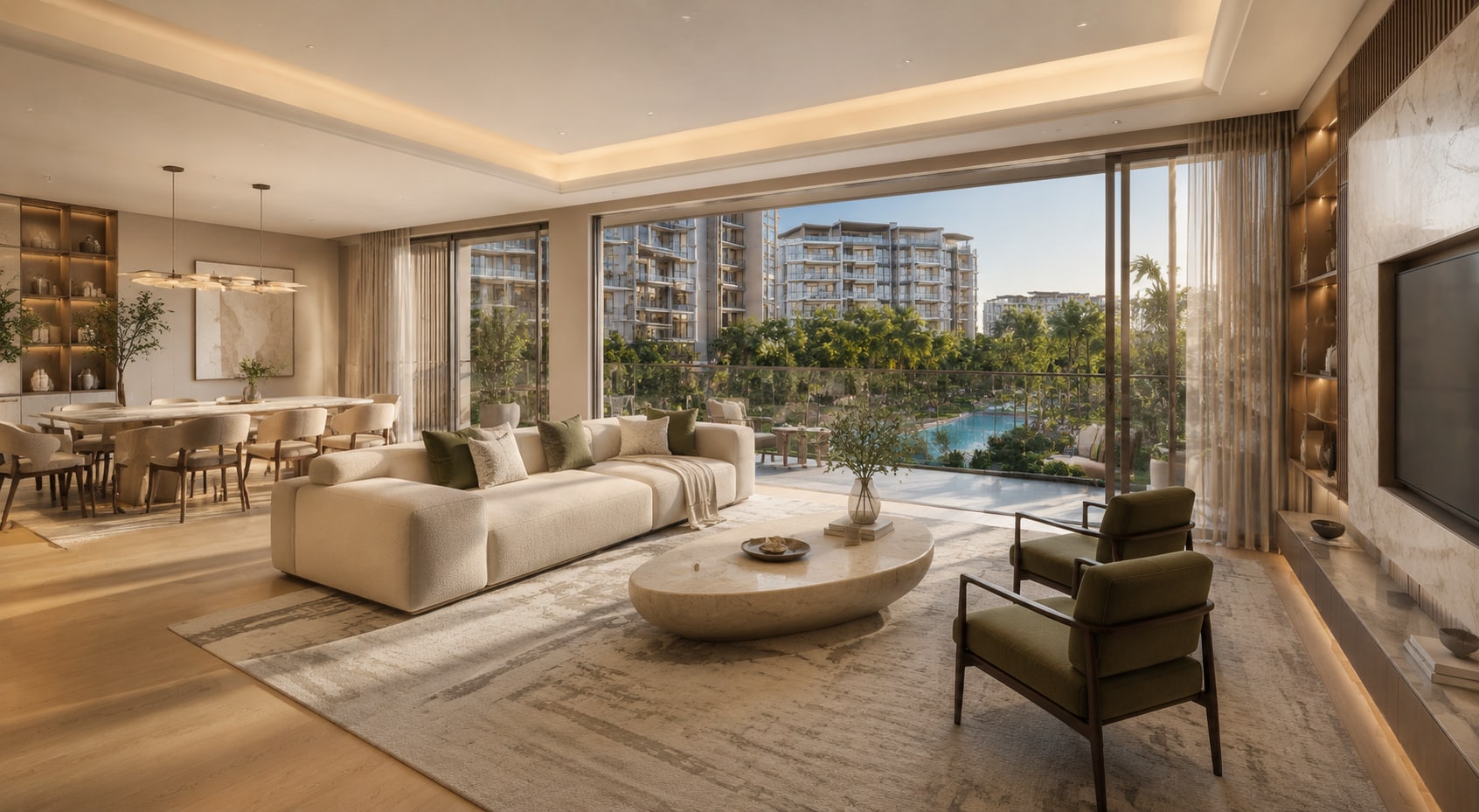
Cozy Corners: Crafting the Perfect Home Layout for Your Lifestyle

Cozy Corners: Crafting the Perfect Home Layout for Your Lifestyle
Your home is more than just a place to live; it’s a sanctuary that should reflect your lifestyle, personality, and daily needs. Whether you’re a busy professional, a creative artist, a fitness enthusiast, or a family with young children, the layout of your home plays a crucial role in your comfort and productivity. A well-designed space can enhance your mood, streamline your routines, and even improve your overall well-being. But how do you craft a home layout that truly works for you? This guide will walk you through the steps of designing a functional and cozy living space that aligns with your unique lifestyle.
The Importance of a Thoughtful Home Layout
A well-planned home layout isn’t just about aesthetics—it’s about creating a space that supports your daily activities and reduces unnecessary stress. Think about how you move through your home. Do you often find yourself tripping over clutter in the hallway? Does your kitchen feel cramped when you’re cooking for guests? Or perhaps your living room isn’t as inviting as you’d like it to be. A thoughtful layout addresses these issues by optimizing flow, maximizing space, and ensuring that each area serves a purpose. When your home is organized with intention, it becomes a place where you can relax, work, and recharge without distractions.
Moreover, a tailored home layout can save you time and energy in the long run. Imagine having a dedicated workspace that keeps you focused during work hours or a cozy reading nook that becomes your go-to spot for unwinding. Small adjustments in layout can make a big difference in how you experience your home every day. The key is to strike a balance between functionality and comfort, ensuring that your space doesn’t just look good but also feels right for you.
Assessing Your Lifestyle Needs
Before you start rearranging furniture or knocking down walls, take a moment to evaluate your lifestyle. Your home should be an extension of who you are, so understanding your habits, preferences, and routines is the first step toward crafting the perfect layout. Here are a few questions to consider:
- How do you spend your time at home? Do you work remotely, entertain guests often, or enjoy quiet evenings with a good book?
- What are your biggest frustrations with your current space? Is it a lack of storage, poor lighting, or awkward traffic flow?
- Who lives in the home with you? Are there children, pets, or elderly family members who need special accommodations?
- What activities are most important to you? Cooking, exercising, crafting, or relaxing? Your layout should prioritize these activities.
- Do you work from home? If so, do you need a dedicated office, or can you integrate a workspace into another room?
By answering these questions, you’ll gain clarity on what your home needs to support your lifestyle effectively. For example, if you work from home, you might prioritize a quiet, well-lit area for your office. If you’re a fitness buff, you might dedicate a corner of your living room to a yoga mat or a small gym setup. The goal is to create a space that enhances your daily life rather than complicates it.
Creating Zones for Different Activities
One of the most effective ways to craft a functional home layout is by dividing your space into distinct zones, each tailored to a specific activity. This approach ensures that every area of your home serves a purpose and reduces the likelihood of clutter and disorganization. Here’s how you can create meaningful zones in your home:
1. The Work Zone
If you work from home, having a dedicated workspace is essential. This zone doesn’t necessarily have to be a separate room—it could be a corner of your bedroom, a nook in the living room, or even a repurposed closet. The key is to create a space that minimizes distractions and promotes focus. Consider the following elements when designing your work zone:
- A comfortable chair and ergonomic desk
- Good lighting, preferably natural light or a task lamp
- Ample storage for office supplies and paperwork
- Minimal noise and visual clutter
If space is limited, you can opt for a foldable desk or a wall-mounted workspace that can be tucked away when not in use. The goal is to make your work zone feel inviting and conducive to productivity.
2. The Relaxation Zone
Your home should have at least one area dedicated to relaxation and unwinding. This could be a cozy reading corner, a meditation space, or a comfortable sofa where you can watch movies. The relaxation zone should be a sanctuary away from the hustle and bustle of daily life. Consider the following elements:
- Soft, plush seating like a recliner or a chaise lounge
- Warm lighting, such as a floor lamp or fairy lights
- Plants or natural elements to create a calming atmosphere
- Minimal distractions, such as noise or clutter
This zone is especially important for reducing stress and promoting mental well-being. Whether it’s a small reading nook in your bedroom or a spacious living room setup, make sure it’s a place where you can truly relax.
3. The Entertainment Zone
For those who love hosting friends and family, the entertainment zone is a must. This could be a formal dining room, a home bar, or a living room with a large TV and comfortable seating. The key is to create a space that’s welcoming and functional for gatherings. Consider the following elements:
- A large dining table or a bar counter
- Comfortable seating for guests
- Adequate storage for serving dishes and entertainment equipment
- Good lighting and acoustics for movie nights or game nights
If you’re tight on space, you can combine the entertainment zone with another area, such as the living room. The goal is to make it easy to entertain without feeling cramped or overwhelmed.
4. The Fitness Zone
If you’re a fitness enthusiast, dedicating a small corner of your home to exercise can save you time and money on gym memberships. This zone doesn’t need to be large—just enough space for a yoga mat, a set of dumbbells, or a compact treadmill. Consider the following elements:
- A mirror to check your form
- A storage unit for fitness equipment
- Good ventilation and natural light
- Space to move freely without obstructions
Even a small fitness zone can motivate you to stay active and maintain a healthy lifestyle. You can also incorporate elements like a mini fridge for post-workout smoothies or a water station to stay hydrated.
5. The Sleep Zone
Your bedroom should be a peaceful retreat where you can rest and recharge. The sleep zone should prioritize comfort, tranquility, and minimal distractions. Consider the following elements:
- A supportive mattress and high-quality bedding
- Blackout curtains or blinds to block out light
- A clutter-free environment with ample storage
- A calming color palette and soft textures
If you have the space, you can also create a small seating area in your bedroom for reading or journaling. The key is to make your sleep zone a place where you can unwind and escape from the outside world.
Maximizing Space in Small Homes
Not everyone has the luxury of a sprawling mansion, but even small homes can feel spacious and functional with the right layout. The key is to maximize every inch of space while keeping clutter at bay. Here are a few tips for making the most of a small home:
- Use multi-functional furniture: Opt for pieces that serve more than one purpose, such as a sofa bed, a storage ottoman, or a fold-out desk.
- Go vertical: Install shelves, wall-mounted cabinets, or pegboards to free up floor space and keep items organized.
- Create the illusion of space: Use light colors, mirrors, and strategic lighting to make rooms feel larger and more open.
- Declutter regularly: Small spaces can quickly become overwhelmed with clutter, so make it a habit to purge items you no longer need.
- Use room dividers: If you live in a studio or an open-plan space, use curtains, bookshelves, or screens to create distinct zones without closing off the area completely.
By being intentional with your layout and furniture choices, you can make even the smallest home feel cozy and functional.
Incorporating Personal Touches
A well-designed home layout isn’t just about functionality—it’s also about reflecting your personality and creating a space that feels uniquely yours. Personal touches can transform a house into a home, making it a place where you truly belong. Here are a few ways to infuse your home with your unique style:
- Display meaningful items: Whether it’s family photos, travel souvenirs, or artwork you’ve created, these items add character and warmth to your space.
- Choose a cohesive color palette: Stick to a color scheme that resonates with you and creates a harmonious flow throughout your home.
- Add textures and patterns: Soft rugs, throw pillows, and blankets can add depth and visual interest to your space.
- Incorporate nature: Plants, flowers, and natural materials like wood and stone can bring a sense of calm and connection to the outdoors.
- Mix old and new: Blend vintage finds with modern pieces to create a space that feels curated and timeless.
Your home should tell your story, so don’t be afraid to let your personality shine through in your decor and layout choices.
Final Thoughts: Crafting a Home That Works for You
Designing the perfect home layout is a journey that involves understanding your needs, experimenting with different arrangements, and making intentional choices about how you want to live. It’s not about creating a space that looks perfect in a magazine—it’s about crafting a home that works for you and enhances your daily life. Whether you’re renovating a small apartment or redesigning a sprawling house, the key is to prioritize functionality, comfort, and personal expression.
Start by assessing your lifestyle and identifying the zones that are most important to you. Then, experiment with furniture placement, storage solutions, and decor to create a space that feels both cozy and efficient. Don’t be afraid to make changes as your needs evolve—your home should grow with you. With a thoughtful approach, you can craft a home layout that not only meets your practical needs but also brings you joy every day.
Remember, the perfect home layout isn’t a one-size-fits-all solution. It’s about finding what works for you and creating a space that feels like a true reflection of who you are. So take your time, trust your instincts, and enjoy the process of designing a home that’s uniquely yours.