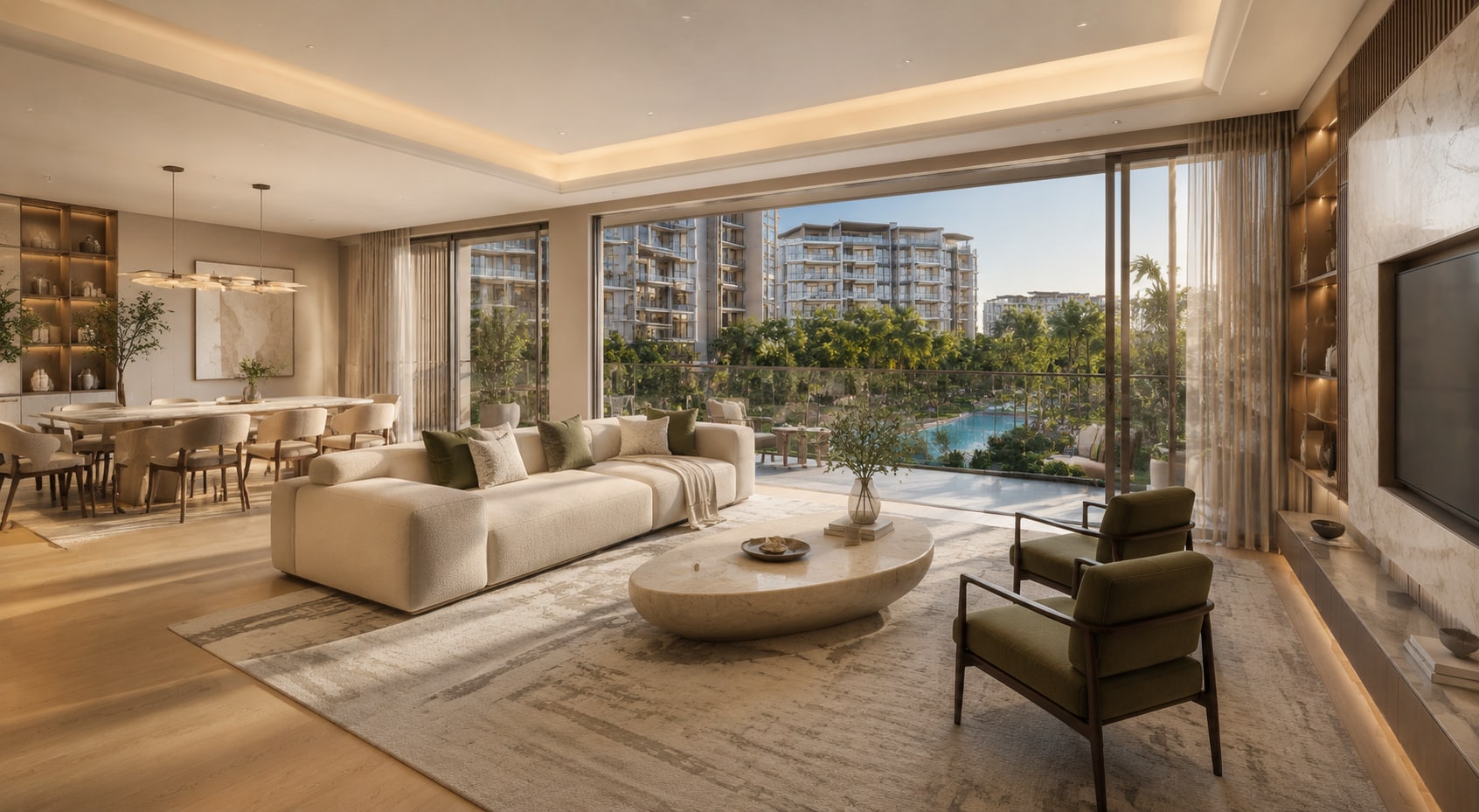
5 House Repairs That Add Value and Save You Money

5 House Repairs That Add Value and Save You Money
Owning a home is one of life’s greatest investments, but it also comes with ongoing maintenance and repair costs. While some repairs may seem like a financial burden, the right upgrades can actually increase your home’s value and save you money in the long run. Whether you’re preparing to sell or simply want to enhance your property’s efficiency, these five house repairs are worth prioritizing.
1. Roof Repairs and Replacements
A well-maintained roof is essential for protecting your home from the elements, but it’s also a key factor in a buyer’s decision. A leaky or damaged roof can lead to costly water damage, mold growth, and even structural issues. Instead of patching up minor problems, consider a full replacement if your roof is nearing the end of its lifespan.
When selecting roofing materials, opt for durable options like asphalt shingles, metal, or tile, which offer longevity and energy efficiency. Investing in proper insulation and ventilation during the repair process can also reduce heating and cooling costs, further saving you money over time.
- Signs you need a roof repair: Missing shingles, water stains on ceilings, sagging rooflines, or granules in gutters.
- Cost-saving tip: Schedule repairs during off-peak seasons to take advantage of lower labor costs.
2. HVAC System Upgrades
An outdated or inefficient heating, ventilation, and air conditioning (HVAC) system can drive up energy bills and reduce your home’s comfort. Modern HVAC systems are designed to be more energy-efficient, which means lower utility costs and a smaller carbon footprint. Upgrading your system can also make your home more attractive to potential buyers.
Before replacing your HVAC unit, consider scheduling a professional inspection to identify any issues. Simple fixes like sealing ductwork, cleaning vents, or upgrading the thermostat can improve efficiency without the need for a full replacement. If replacement is necessary, look for systems with high SEER (Seasonal Energy Efficiency Ratio) ratings for maximum savings.
- Benefits of an HVAC upgrade: Lower energy bills, improved indoor air quality, and increased home value.
- Long-term savings: Energy-efficient systems can pay for themselves within a few years through reduced utility costs.
3. Plumbing Fixture Updates
Old or outdated plumbing fixtures can waste water and drive up utility bills, but they’re also an easy and affordable way to refresh your home. Swapping out leaky faucets, inefficient toilets, and outdated showerheads can reduce water consumption and improve functionality. Modern low-flow fixtures are designed to use less water without sacrificing performance, making them a smart investment.
In addition to saving money on water bills, updating plumbing fixtures can enhance your home’s aesthetic appeal. A sleek, modern bathroom or kitchen can make a significant impression on potential buyers. If you’re on a tight budget, start with high-impact areas like the kitchen sink or master bathroom.
- Water-saving fixtures to consider: Dual-flush toilets, low-flow showerheads, and touchless faucets.
- Cost-saving tip: Look for rebates or incentives from local utility companies when upgrading to water-efficient fixtures.
4. Window and Door Replacements
Windows and doors are critical components of your home’s energy efficiency, security, and curb appeal. Single-pane windows and drafty doors can lead to significant heat loss in the winter and heat gain in the summer, forcing your HVAC system to work harder. Replacing old windows and doors with energy-efficient models can reduce energy costs and improve comfort year-round.
When choosing new windows and doors, prioritize those with high insulation ratings, such as double-pane or triple-pane glass. Look for the ENERGY STAR® label, which indicates compliance with energy efficiency standards. Additionally, consider materials like vinyl or fiberglass, which require minimal maintenance and offer long-term durability.
- Signs you need window or door replacements: Drafts, condensation between panes, difficulty opening or closing, or visible damage.
- ROI potential: Energy-efficient windows and doors can recoup up to 70-80% of their cost at resale.
5. Electrical System Modernizations
An outdated electrical system can pose safety hazards, limit your home’s functionality, and even reduce its value. If your home still has knob-and-tube wiring, aluminum wiring, or an insufficient electrical panel, it’s time for an upgrade. Modernizing your electrical system ensures compliance with current safety codes and allows for the safe operation of high-demand appliances.
Upgrading to a 200-amp electrical panel is a common recommendation for older homes, as it provides ample power for modern conveniences. Additionally, consider installing USB outlets, smart switches, and additional circuits to enhance convenience and functionality. While electrical work can be costly, it’s a necessary investment for safety and future-proofing your home.
- Signs your electrical system needs an upgrade: Frequent circuit breaker trips, flickering lights, or burning smells near outlets.
- Safety benefits: Reduces the risk of electrical fires and ensures compliance with local building codes.
Final Thoughts: Smart Repairs for Long-Term Savings
Home repairs don’t have to be a financial drain—investing in the right upgrades can pay off in increased value, lower utility bills, and improved livability. By prioritizing repairs that enhance efficiency, safety, and aesthetics, you’ll protect your home’s long-term value while enjoying immediate benefits. Whether you tackle these projects yourself or hire a professional, the key is to focus on repairs that deliver the best return on investment.
Start with a home inspection to identify the most critical repairs, then plan your upgrades strategically. With the right approach, you can transform your home into a more valuable and cost-effective space for years to come.