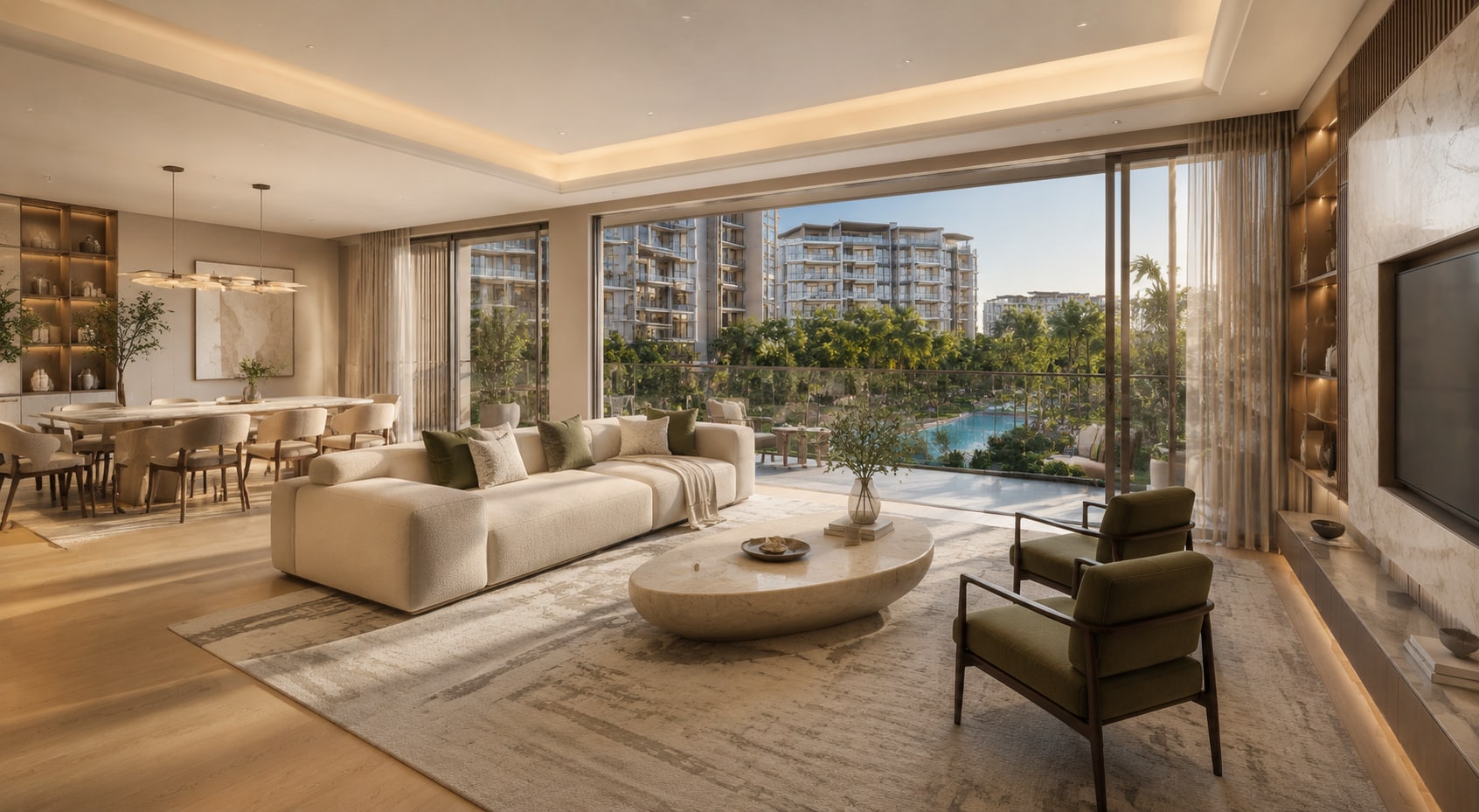
Cozy Corners: Transforming Your Home One Corner at a Time

# Cozy Corners: Transforming Your Home One Corner at a Time
## The Magic of Cozy Corners
There’s something inherently comforting about a well-designed corner in your home. Whether it’s a sunlit nook by the window, a reading alcove tucked away in the living room, or a small meditation space in the bedroom, these areas have a way of making a house feel like a sanctuary. Cozy corners are more than just decorative—they’re personal retreats where you can unwind, create, or simply enjoy a moment of peace. In a world that often feels fast-paced and overwhelming, these small spaces offer a chance to slow down and reconnect with yourself or loved ones.
The beauty of transforming a corner lies in its simplicity. You don’t need a sprawling floor plan or a large budget to create a space that feels intentional and inviting. With a little creativity and thoughtful planning, even the most overlooked nook can become a focal point of warmth and comfort. The key is to approach the project with intention, considering how the space will serve you and what elements will bring you joy.
## Why Small Spaces Matter
In many homes, corners are underutilized areas that gather dust or serve as catch-alls for miscellaneous items. However, these spaces have immense potential when given the right attention. A cozy corner can:
- **Enhance your well-being** by providing a dedicated spot for relaxation or self-care.
- **Optimize your home’s layout** by making use of awkward or unused areas.
- **Boost your mood** by surrounding yourself with colors, textures, and items that bring you happiness.
- **Encourage mindfulness** by creating a space where you can disconnect from distractions and focus on the present moment.
Even in compact living spaces, small corners can make a big impact. They invite you to pause, breathe, and appreciate the little things—a soft throw blanket, the flicker of candlelight, or the rustle of pages in a book. By investing time into these areas, you’re not just decorating; you’re curating an experience.
## Step 1: Assessing Your Space
Before diving into decorating, take a moment to evaluate the corner you’re working with. Consider the following:
### Natural Light and Flow
- **How much sunlight does the corner receive?** A bright corner might be perfect for a reading chair or a small plant collection, while a dimmer space could benefit from warm lighting or reflective surfaces.
- **Is the area near a high-traffic zone?** If it’s in the middle of a hallway, you might want to keep it open and uncluttered. If it’s in a quiet bedroom or living room, it can be a more intimate retreat.
- **Does the corner have any architectural features worth highlighting?** A window, archway, or built-in shelf can serve as a natural focal point.
### Purpose and Function
Ask yourself what you want this corner to accomplish. Common uses for cozy corners include:
- **A reading nook**
- **A meditation or yoga space**
- **A home office nook**
- **A plant sanctuary**
- **A display area for art or collectibles**
- **A pet relaxation spot**
Having a clear purpose will guide your design choices, from furniture selection to color schemes.
### Current Clutter and Potential
Take an honest look at what’s already in the corner. Is it filled with items that don’t belong there, like old magazines, unused appliances, or random shoes? Clearing out the clutter is the first step toward creating a space that feels intentional. Once you’ve decluttered, measure the area to determine what size furniture or decor will fit comfortably.
## Step 2: Choosing a Theme or Style
The style of your cozy corner should reflect your personality and the overall aesthetic of your home. Whether you prefer minimalist simplicity, bohemian eclecticism, or classic elegance, there’s a theme that will make your corner feel cohesive and inviting.
### Popular Themes for Cozy Corners
- Minimalist Zen: Clean lines, neutral colors, and uncluttered surfaces create a calming atmosphere. Think a single chair, a small side table, and a single piece of artwork.
- Bohemian Retreat: Layered textiles, plants, and earthy tones evoke a free-spirited, relaxed vibe. Macramé wall hangings, floor cushions, and a mix of patterns work well here.
- Scandinavian Hygge: Soft textures, warm woods, and gentle lighting embody the Danish concept of coziness. Add a knit throw, a sheepskin rug, and a stack of books for that perfect hygge feel.
- Industrial Cozy: Exposed brick, metal accents, and raw materials blend with plush seating and warm lighting for an urban-chic look.
- Vintage Library: Leather armchairs, antique bookshelves, and warm lighting create a sophisticated, intellectual space.
- Modern Jungle: A mix of sleek furniture and lush greenery brings the outdoors in. Think a mid-century modern chair paired with a large fiddle-leaf fig.
Don’t be afraid to mix styles or adapt a theme to suit your taste. The goal is to create a space that feels uniquely yours.
## Step 3: Selecting Furniture and Layout
The furniture you choose will determine how functional and comfortable your corner feels. Since space is often limited, opt for pieces that are appropriately scaled and multi-purpose where possible.
### Furniture Ideas for Small Corners
- Chairs: A compact armchair, a vintage rocking chair, a bean bag, or a window seat bench can all work well in a corner.
- Stools and Ottomans: These can double as seating and storage. Look for designs with built-in compartments or trays.
- Small Tables: A side table, a narrow console, or even a stack of crates can hold books, a cup of tea, or a small plant.
- Bookshelves: Floating shelves, ladder shelves, or corner bookcases maximize vertical space while adding character.
- Floor Cushions: Perfect for casual seating, reading, or even a kids’ play area.
- Window Seats: If your corner has a window, consider building or buying a cushioned seat for a built-in retreat.
### Layout Tips
- **Keep it open:** Avoid overcrowding the corner. Leave enough room to move around comfortably.
- **Face the light:** If possible, position seating to face a window or natural light source.
- **Create layers:** Use rugs, cushions, and throws to add depth and warmth.
- **Think vertically:** Shelves and wall-mounted storage draw the eye upward, making the space feel larger.
- **Define the zone:** Use a screen, curtain, or even a large plant to separate the corner from the rest of the room if needed.
If you’re working with an especially tiny space, consider multipurpose furniture like a storage ottoman that can serve as a seat, footrest, and storage unit all in one.
## Step 4: Layering Textures and Colors
Texture and color are what turn a corner from ordinary to extraordinary. They add depth, warmth, and personality, making the space feel inviting and lived-in.
### Playing with Textures
- Soft Textures: Think throws, pillows, rugs, and curtains. Materials like wool, velvet, linen, and faux fur add coziness.
- Natural Textures: Wood, rattan, jute, and stone bring an organic feel to the space. A wooden stool, a rattan basket, or a stone coaster can ground the design.
- Metallic Accents: Gold, brass, or copper elements—like a framed mirror, a small sculpture, or candle holders—can add a touch of glamour.
- Mixed Materials: Combining different textures, such as a smooth ceramic vase with a chunky knit blanket, creates visual interest.
### Choosing a Color Palette
Your color scheme should align with the mood you want to create in your corner.
- Warm Neutrals: Beige, cream, taupe, and soft browns create a calming, neutral backdrop that pairs well with any accent color.
- Earthy Tones: Sage green, terracotta, muted blue, and warm gray evoke a natural, grounding feel.
- Deep Jewel Tones: Emerald, navy, or burgundy can make a bold statement, especially in small doses like pillows or artwork.
- Pastels: Soft pink, lavender, or mint green can add a gentle, soothing touch to your corner.
- Monochrome: Shades of gray or black with white can create a sleek, modern look.
If you’re unsure where to start, begin with a neutral base and layer in 2-3 accent colors through textiles, decor, and artwork. This keeps the space cohesive while allowing you to experiment with different shades over time.
## Step 5: Lighting That Sets the Mood
Lighting is one of the most important elements in creating a cozy corner. It sets the ambiance, highlights your favorite features, and makes the space feel inviting. Layering different types of lighting ensures that your corner can adapt to different times of day and moods.
### Types of Lighting to Consider
- Ambient Lighting: This is the primary source of light in the space. Options include:
- A floor lamp with a warm bulb
- A ceiling fixture like a semi-flush mount or pendant light
- recessed lighting if the corner is in a larger room
- Task Lighting: This provides focused light for activities like reading or crafting. Great choices are:
- A small table lamp with a directional shade
- An adjustable wall sconce
- A clip-on light for a bookshelf
- Accent Lighting: This adds drama and highlights specific areas or decor items. Consider:
- String lights or fairy lights
- LED strip lights behind a shelf
- Candles or flameless LED candles
- A small salt lamp or Himalayan lamp for a soft glow
- Natural Light Enhancers: If your corner has a window, maximize the light with:
- Sheer curtains to diffuse harsh sunlight
- A window seat to bring you closer to the light
- Reflective surfaces like a mirror or metallic decor to bounce light around
### Lighting Tips for Cozy Corners
- **Warm bulbs only:** Opt for bulbs with a color temperature between 2700K and 3000K for a soft, warm glow.
- **Dimmable options:** Install dimmer switches or use lamps with adjustable brightness to control the mood.
- **Mix and match:** Combine different light sources to create depth and layers.
- **Avoid overhead lighting dominance:** Harsh ceiling lights can make a space feel cold. Soften the look with floor lamps or table lamps instead.
- **Use candles safely:** Real candles add ambiance, but if safety is a concern, flameless LED candles are a great alternative.
## Step 6: Personal Touches and Decor
The magic of a cozy corner lies in the personal details—the items that tell a story and make the space feel uniquely yours. Decor is what transforms a corner from a static part of your home into a living, breathing extension of your personality.
### Ways to Add Personality
- Artwork: A single framed print, a gallery wall, or a small sculpture can anchor the space and reflect your taste. Choose pieces that resonate with you emotionally.
- Photographs: Display framed photos of loved ones, travel memories, or even pets on a shelf or wall.
- Books: Stack your favorite books on a side table or shelf. Bonus points if you arrange them by color for an aesthetic touch.
- Plants: Greenery breathes life into a corner. Choose low-maintenance plants like snake plants, pothos, or succulents if you’re not a natural gardener.
- Collectibles: Whether it’s vintage postcards, seashells from a beach trip, or a quirky mug collection, these items add character.
- Textiles: A handmade quilt, a vintage scarf draped over a chair, or a macramé wall hanging can introduce texture and a personal touch.
- Scent: Candles, essential oil diffusers, or a subtle room spray can make the space smell as good as it looks. Scents like vanilla, lavender, or sandalwood are particularly cozy.
- Sound: A small Bluetooth speaker or a wind chime can add an auditory layer to your corner, whether it’s soft music or the soothing sounds of nature.
### DIY and Upcycling Ideas
- Paint or stencil a feature wall: If your corner has a blank wall, add a design with paint or a stencil for a custom look.
- Upcycle furniture: Give an old chair a new life with a fresh coat of paint or reupholster a thrifted find.
- Create a memory board: Use a corkboard or a piece of fabric stretched over a frame to pin photos, tickets, and notes.
- Handmade decor: Try your hand at pottery, knitting, or woodworking to create one-of-a-kind pieces.
## Step 7: Keeping It Cozy Year-Round
A cozy corner isn’t a “set it and forget it” project. To keep the space feeling fresh and inviting, it’s important to revisit it seasonally and make adjustments based on your needs.
### Seasonal Refresh Ideas
- Spring: Swap out heavy textiles for lighter fabrics like linen or cotton. Introduce fresh flowers or greenery. Consider a pastel color palette.
- Summer: Opt for breezy fabrics like bamboo or rattan. Add a ceiling fan or portable fan for airflow. Incorporate nautical or tropical elements if you love the beach.
- Fall: Bring in warm tones like burnt orange, mustard, or deep red. Layer in chunky knits and faux fur. Add seasonal decor like pumpkins or pinecones.
- Winter: Enhance the coziness with thick throws, wool rugs, and warm lighting. Consider adding a fireplace-style electric heater if your space gets chilly. Swap in heavier curtains to insulate the window.
### Long-Term Maintenance
- Regular decluttering: Keep the space tidy by removing items that no longer serve a purpose.
- Rotate decor: Swap out artwork, textiles, or small decor items every few months to keep the space feeling new.
- Update lighting: As seasons change, adjust your lighting to match the mood you want to create.
- Listen to your needs: If your corner starts feeling less useful, repurpose it. Maybe it’s time to turn a reading nook into a mini office or a meditation space.
## Cozy Corner Inspiration for Every Room
Not sure where to start? Here are some ideas tailored to different areas of your home:
### Living Room Corners
- Reading Nook: Place a comfortable armchair in the corner, add a floor lamp, a small side table, and a bookshelf. Layer in a rug and a throw for extra warmth.
- Conversation Spot: Arrange two armchairs or a loveseat diagonally to face each other, with a round coffee table in between. Use a large area rug to define the space.
- Plant Sanctuary: Fill the corner with an assortment of potted plants on varying-height shelves or stands. Add a small bench or floor cushions for seating.
### Bedroom Corners
- Dressing Area: Install a full-length mirror on one wall and add a small chair or stool for seating. Include a narrow shelving unit for accessories.
- Meditation Space: Use a yoga mat or a low platform with cushions. Add a small altar with candles, crystals, or a meaningful symbol.
- Vanity Corner: Set up a compact vanity with a mirror, a small stool, and organized storage for makeup and jewelry. Add a chic lamp for flattering lighting.
### Home Office Corners
- Mini Office: A compact desk, a comfortable chair, and a wall-mounted shelf for supplies can turn a corner into a productive workspace.
- Creative Nook: If you’re an artist or writer, dedicate the corner to your craft. Add a drafting table, good lighting, and storage for supplies.
- Command Center: Use the corner for a bulletin board, a charging station, and a spot to keep keys, wallets, and daily essentials.
### Kitchen and Dining Corners
- Coffee Station: Dedicate a corner to your coffee or tea setup with a small cart, mug storage, and a kettle. Add a bar stool for quick sips.
- Breakfast Nook: If space allows, install a built-in bench with a small table. Use banquette seating and cushions for comfort.
- Herb Garden: Place a tiered plant stand or hanging planters with fresh herbs near a window for easy access while cooking.
### Bathroom Corners
- Spa Corner: Add a small stool, a tray for bath salts and oils, and some plush towels. Use dimmable lighting or candles for a relaxing ambiance.
- Linen Storage: Install a narrow shelving unit or a ladder shelf to neatly store extra towels and toiletries.
## Final Thoughts: Embrace the Process
Creating a cozy corner is less about perfection and more about intention. It’s an opportunity to slow down, reflect on what brings you comfort, and design a space that nurtures your soul. Don’t be afraid to experiment—mix styles, try new textures, or change things up when the mood strikes. The most important thing is that your corner feels like a true reflection of you.
Remember, cozy corners aren’t just for large homes or ideal spaces. Even the smallest, oddest corners can become cherished retreats with a little creativity. So, grab a measuring tape, clear out the clutter, and start transforming your home one corner at a time. Your future self—and your well-being—will thank you.