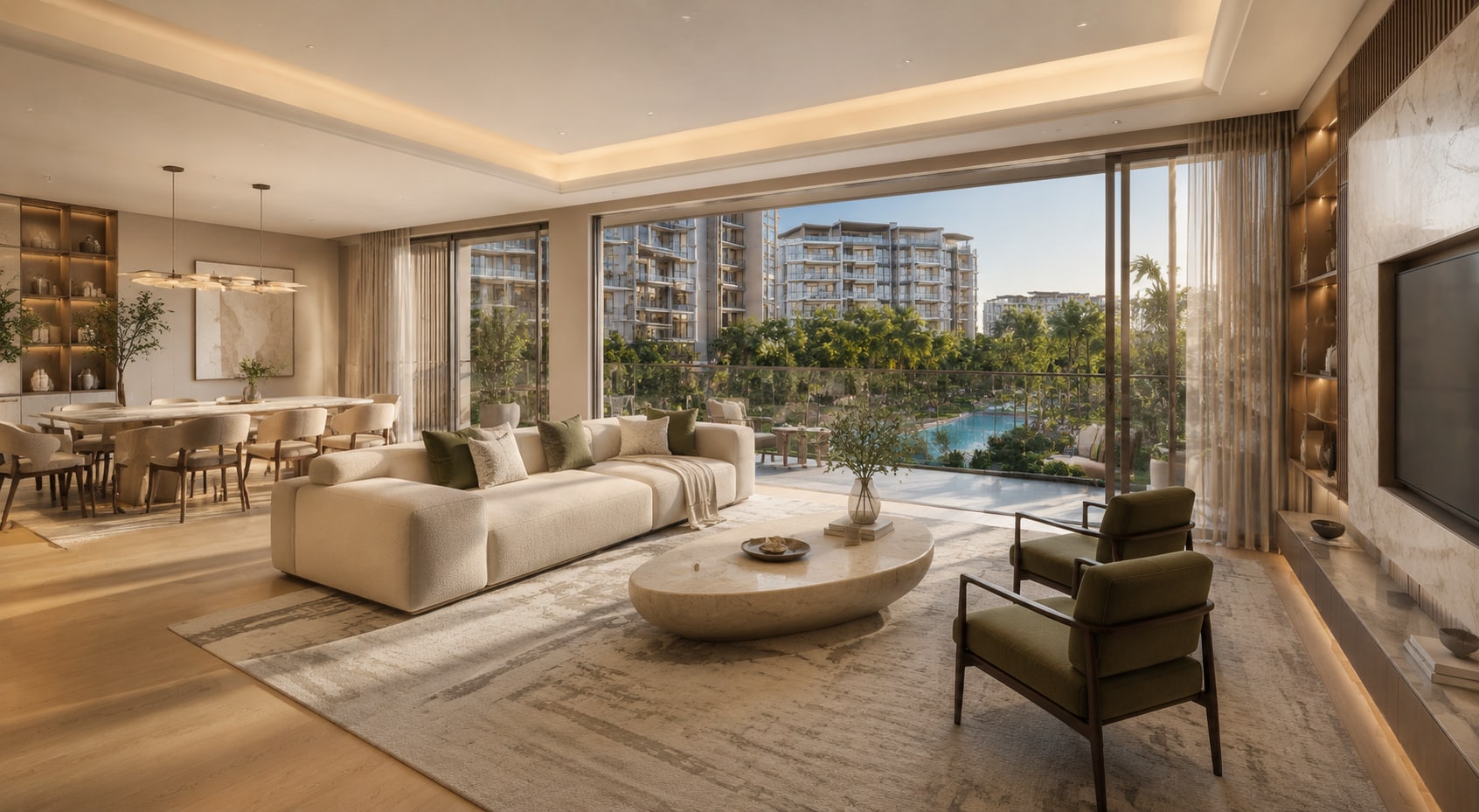
Elevate Your Space: Transforming Rooms with Unexpected Creativity

Elevate Your Space: Transforming Rooms with Unexpected Creativity
Your home is more than just a collection of walls and furniture—it’s a reflection of your personality, a sanctuary for creativity, and a space where memories are made. Yet, sometimes, rooms can feel stagnant, predictable, or lacking that spark of inspiration. The good news? With a little imagination and a willingness to step outside conventional design norms, you can transform any space into something extraordinary. This guide explores unexpected creative strategies to elevate your rooms, turning them into vibrant, functional, and uniquely yours.
Why Unconventional Design Works
Traditional decorating rules often prioritize symmetry, matching furniture sets, and neutral palettes, but these approaches can sometimes lead to sterile or uninspired spaces. Unconventional design, on the other hand, embraces boldness, asymmetry, and personal expression. It challenges the status quo by incorporating unexpected elements—whether it’s a quirky color choice, an offbeat material, or a reimagined function for an everyday object. The result? A space that feels alive, authentic, and deeply personal.
Moreover, unconventional design isn’t just about aesthetics; it’s about functionality and storytelling. A room that surprises you—whether through a hidden nook, a repurposed item, or a thematic twist—can spark joy and curiosity every time you enter. It turns your home into a living canvas, one that evolves with you and your experiences.
Start with a Vision: Define Your Room’s Purpose
Before diving into decor, ask yourself: What do I want this room to feel like? Is it a cozy retreat, a lively gathering spot, a productive workspace, or a whimsical escape? Your answer will guide every creative decision. For example, a bedroom might prioritize tranquility with soft textures and muted tones, while a living room could embrace energy with bold patterns and mixed materials.
Consider the following questions to refine your vision:
- Who uses this space? Tailor the design to the people who frequent it. A child’s playroom might benefit from bright colors and durable materials, while a home office could focus on ergonomics and minimal distractions.
- What emotions do I want to evoke? Think about the mood you’d like to cultivate. A spa-like bathroom might use calming blues and natural wood, while a creative studio could incorporate vibrant hues and eclectic art.
- How can I make this space multi-functional? Unconventional design thrives on versatility. Can a dining table double as a workspace? Can a bookshelf serve as a room divider? Flexibility allows rooms to adapt to different needs.
Embrace the Unexpected: Creative Techniques to Try
Now comes the fun part—transforming your vision into reality with unconventional ideas. Here are some techniques to shake up your space:
1. Play with Scale and Proportion
Move beyond the standard furniture sizes and explore how oversized or undersized pieces can create drama. For instance:
- A massive floor lamp in a small reading nook can draw the eye upward and make the space feel larger.
- A tiny, delicate chair in a grand living room adds a touch of whimsy and breaks up the symmetry.
- Hanging a single, oversized piece of artwork above a sofa can anchor the room and serve as a conversation starter.
Proportion isn’t just about size—it’s about how objects relate to each other. Mixing a chunky, textured sofa with sleek, glass-topped side tables creates an intriguing contrast that feels intentional rather than accidental.
2. Incorporate Unconventional Materials
Why stick to wood, metal, and glass? Step outside the box with materials that add texture, warmth, or a touch of the unexpected:
- Recycled or Upcycled Items: Turn old doors into a headboard, use vintage windows as wall art, or repurpose wooden crates into shelving.
- Natural Elements: Incorporate driftwood, pebbles, or branches into decor. A vase filled with dried pampas grass can add organic movement to a shelf.
- Industrial Touches: Exposed pipes, concrete accents, or metal ductwork can lend a raw, urban edge to a room.
- Textiles with Personality: Swap out traditional throw pillows for a tapestry, a vintage rug, or a macramé wall hanging. These pieces add depth and history to a space.
For example, a bathroom with a concrete sink and a shower curtain made from repurposed saris creates a rustic-industrial-meets-bohemian vibe that’s far from ordinary.
3. Use Color in Bold, Unpredictable Ways
Color is one of the most powerful tools for transformation. Instead of sticking to safe neutrals, consider:
- Monochromatic Drama: Choose a single shade and use it in varying intensities. A deep emerald green on the walls, paired with velvet upholstery in the same hue and metallic accents, creates a luxurious, cohesive look.
- Unexpected Color Pairings: Step beyond complementary colors. Try a combination like terracotta and teal, mustard and slate gray, or blush pink and olive green for a fresh, modern twist.
- Accent Walls with a Twist: Instead of painting one wall, try painting the ceiling, a single archway, or even the floor (with durable paint) for a surprising focal point.
- Color Blocking: Use geometric or organic shapes to create bold, artistic sections of color. This works especially well in living rooms or bedrooms.
For a playful approach, consider a “color mood board” where you gather swatches, fabrics, and objects in a chosen palette before committing to a look. This helps you visualize how different hues interact.
4. Reimagine Furniture and Layouts
Furniture doesn’t have to follow the rules of a showroom. Think outside the box with these ideas:
- Repurposed Pieces: Turn a vintage ladder into a blanket rack, use a tree stump as a side table, or stack wooden crates to create a modular bookshelf.
- Unconventional Seating: Swap a traditional sofa for floor cushions, a hammock chair, or a built-in banquette. These options save space and add a casual, inviting feel.
- Floating or Wall-Mounted Furniture: A floating desk, a wall-mounted bed, or a cantilevered shelf can free up floor space and create a sense of lightness.
- Zoning with Rugs: Use oversized or uniquely shaped rugs to define different areas within an open-plan space. A round rug can separate a dining area from a lounge zone in a seamless way.
For example, a bedroom with a bed frame made from reclaimed pallets and a headboard crafted from vintage doors becomes a statement piece that tells a story.
5. Layer Lighting for Drama
Lighting is often an afterthought, but it’s one of the most transformative elements in a room. Move beyond a single overhead fixture and create a layered lighting scheme:
- Ambient Lighting: Use floor lamps, wall sconces, or string lights to create a warm, inviting glow.
- Task Lighting: Add desk lamps, under-cabinet lighting, or reading lights where specific activities happen.
- Accent Lighting: Highlight artwork, architectural features, or textured walls with spotlights or LED strips.
- Statement Fixtures: Choose a chandelier that doubles as art, like a sculptural piece made from driftwood or a cascading waterfall of glass beads.
For a cozy twist, incorporate fairy lights, lanterns, or candles to add soft, flickering light that changes the room’s ambiance throughout the day.
Add Personality with Art and Decor
Art and decor are where your personality truly shines. Instead of generic prints, consider these unexpected approaches:
- Gallery Walls with a Twist: Mix framed artwork with mirrors, postcards, fabric swatches, or even 3D objects like small sculptures or found items.
- DIY Art: Create your own pieces with paint, collage, or digital art printed on unconventional surfaces like wood panels or metal sheets.
- Textured Walls: Use wallpaper with tactile patterns, like grasscloth or metallic finishes, or try a technique like sponge painting or stenciling for a custom look.
- Curate a Thematic Collection: Display items that tell a story, such as vintage cameras, vinyl records, or travel souvenirs. These become conversation pieces and add depth to your space.
For a whimsical touch, consider a “shoe wall” where you display favorite pairs as part of the decor, or a “wall of memories” filled with Polaroids, ticket stubs, and notes.
Incorporate Nature in Unexpected Ways
Nature has a way of grounding and enlivening a space. Think beyond potted plants and consider:
- Living Walls: Install a vertical garden using succulents, ferns, or air plants. These can be freestanding or mounted on a wall.
- Natural Materials: Use jute rugs, wicker baskets, or stone countertops to bring the outdoors in.
- Water Features: A small indoor fountain or a tabletop waterfall can add a soothing, spa-like element to a room.
- Seasonal Displays: Rotate decor to reflect the changing seasons—think pinecones and dried citrus in winter, fresh flowers in spring, or shells and driftwood in summer.
Even in urban apartments, a single statement plant like a fiddle-leaf fig or a monstera can become a focal point that anchors the room.
Make It Functional and Fun
Unconventional design doesn’t have to sacrifice functionality. In fact, creative solutions often enhance usability. Consider these ideas:
- Hidden Storage: Use ottomans with storage, lift-top coffee tables, or built-in shelving behind mirrors to keep clutter at bay.
- Multi-Purpose Furniture: A sofa bed for guests, a dining table that folds out for parties, or a bench with cubbies for shoes and blankets.
- Interactive Elements: A chalkboard wall in the kitchen, a pegboard organizer in the craft room, or a magnetic board in the entryway for notes and photos.
- Playful Details: Add a pop of fun with quirky handles on cabinets, a whimsical doorknob, or a rug shaped like a puzzle.
For example, a home office with a desk that converts into a dining table saves space during the day and expands for entertaining at night.
Overcoming Challenges: When Creativity Meets Practicality
While unconventional design is exciting, it’s important to balance creativity with practicality. Here’s how to navigate potential hurdles:
1. Budget-Friendly Creativity
Transforming a space doesn’t require a huge budget. Focus on small, impactful changes first:
- Paint an accent wall or update cabinetry with a fresh coat of paint.
- Shop secondhand stores, flea markets, or online marketplaces for unique furniture and decor.
- DIY projects, like creating your own art or upcycling old items, can add personal touches without breaking the bank.
- Swap decor with friends or family to refresh your space seasonally.
2. Working with Limited Space
Small rooms benefit from creative solutions that maximize every inch:
- Use mirrors to reflect light and create the illusion of depth.
- Opt for furniture with built-in storage or multi-functional pieces.
- Hang shelves or hooks on walls to free up floor space.
- Choose a light color palette to make the room feel more open.
For instance, a studio apartment can feel larger with a lofted bed, creating a separate sleeping area and an open living space below.
3. Dealing with Limitations
Landlords, building codes, or structural constraints might limit your options. Work around them by:
- Using removable decor, like peel-and-stick wallpaper or temporary paint, to add personality without permanent changes.
- Incorporating textiles, like rugs or curtains, to introduce color and texture.
- Choosing furniture that can be easily moved or reconfigured.
- Focusing on rearranging existing items to create a fresh layout.
Final Thoughts: Your Space, Your Rules
Transforming a room with unexpected creativity is about trusting your instincts and embracing the joy of discovery. It’s okay if your space doesn’t fit the mold—what matters is that it feels authentically *you*. Whether you’re drawn to bold colors, quirky materials, or reimagined furniture, the key is to take risks and have fun along the way.
Remember, the best spaces evolve over time. Don’t be afraid to experiment, change your mind, or let your room grow with you. After all, a home is a living, breathing entity, and its magic lies in its ability to surprise and delight.
So go ahead—elevate your space with creativity that feels uniquely yours. Your next great design idea might be just one unexpected choice away.