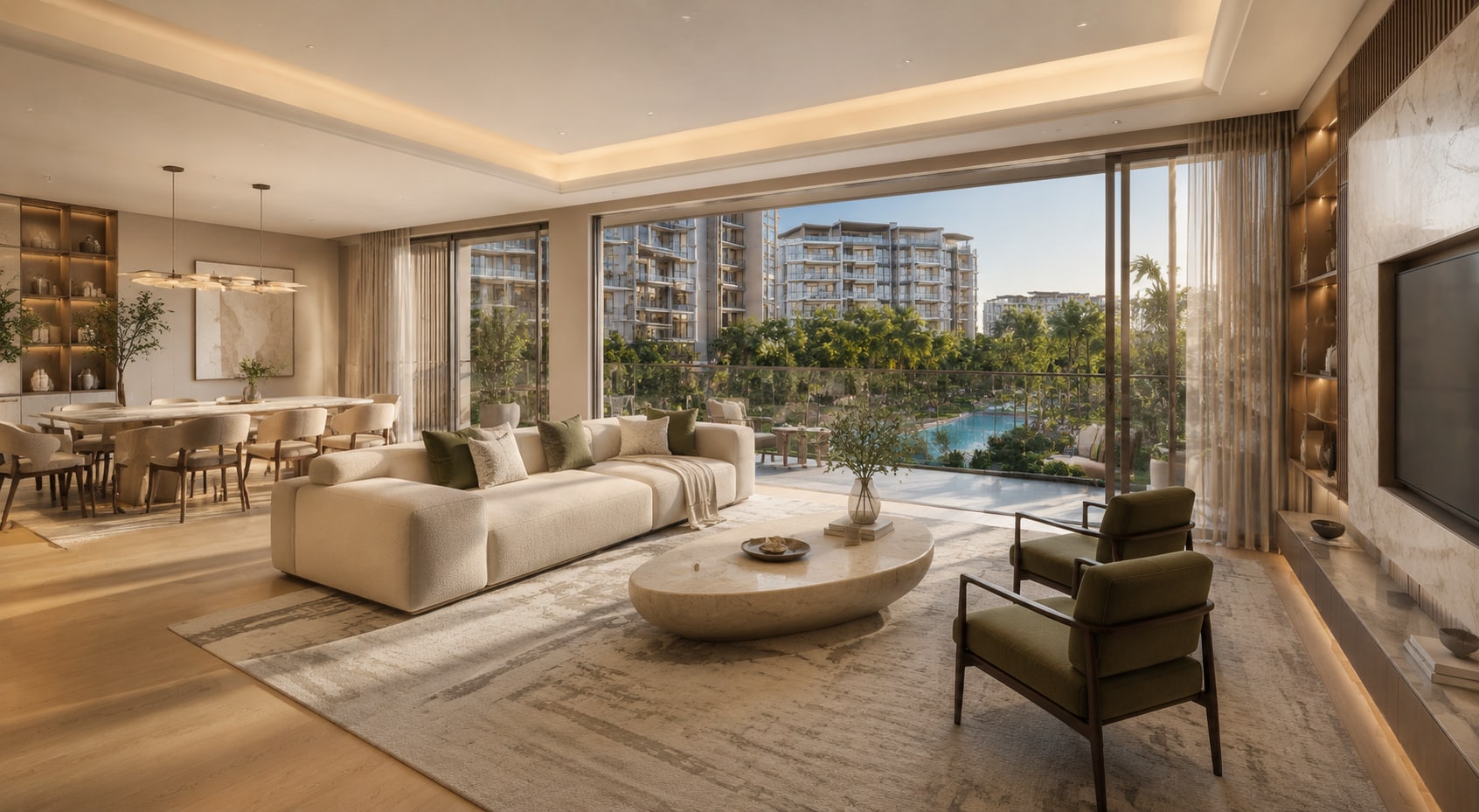
Transforming Your Space: The Latest Trends in Home Renovation

Transforming Your Space: The Latest Trends in Home Renovation
Home renovation has evolved from a necessity into an art form, blending functionality with personal expression. As homeowners seek to create spaces that reflect their lifestyles, the latest trends in home renovation are all about sustainability, smart technology, and bold design choices. Whether you’re planning a minor update or a complete overhaul, staying informed about these trends can help you make decisions that not only enhance your home’s aesthetic but also its value. In this article, we’ll explore the most impactful trends shaping home renovations today, from biophilic design to multi-functional spaces.
The Rise of Sustainable and Eco-Friendly Materials
Sustainability is no longer a niche concern but a cornerstone of modern home renovation. Homeowners are increasingly prioritizing materials that are not only durable but also environmentally responsible. Reclaimed wood, recycled metal, and bamboo flooring are gaining popularity for their low environmental impact and unique aesthetic appeal. Additionally, eco-friendly paints and finishes with low volatile organic compounds (VOCs) are being chosen to improve indoor air quality.
Another trend is the use of salvaged or upcycled materials, such as reclaimed bricks, vintage fixtures, and repurposed furniture. These choices reduce waste and add character to a space. For those looking to go a step further, incorporating energy-efficient windows and solar panels into renovations can significantly reduce a home’s carbon footprint while lowering utility bills. The shift toward sustainable materials reflects a growing awareness of our environmental responsibility and a desire to create healthier living spaces.
Smart Home Integration: A Must-Have Feature
Technology has become an integral part of modern living, and home renovations are no exception. Smart home integration is one of the fastest-growing trends, offering convenience, security, and energy efficiency. From smart thermostats like the Nest Learning Thermostat to voice-controlled lighting systems such as Philips Hue, homeowners are embracing automation to simplify daily routines. These systems can be controlled remotely via smartphones, allowing users to adjust settings even when they’re away from home.
Another popular addition is smart kitchen appliances, including refrigerators with touchscreens, induction cooktops, and even robotic vacuums like the Roomba. Bathrooms are also getting a tech upgrade with features like smart mirrors that display weather updates or play music, and sensor-activated faucets that promote water conservation. As the Internet of Things (IoT) continues to expand, integrating smart technology into renovations is not just a trend but a long-term investment in convenience and efficiency.
Multi-Functional Spaces: Adapting to Modern Lifestyles
The way we use our homes has changed dramatically, especially with the rise of remote work and hybrid lifestyles. As a result, multi-functional spaces are becoming a staple in home renovation projects. Open-concept layouts that blend living, dining, and kitchen areas remain popular, but the focus has shifted toward creating flexible zones that can adapt to different needs. For example, a home office might double as a guest room with a Murphy bed, or a living room might include modular furniture that can be reconfigured for entertaining or relaxation.
Another trend is the incorporation of hidden storage solutions to maintain a clutter-free environment. Built-in shelving, under-stair storage, and convertible furniture like ottomans with storage compartments are all designed to maximize space without sacrificing style. Additionally, outdoor living spaces are being transformed into extensions of the home, with features like covered patios, outdoor kitchens, and fire pits creating additional areas for relaxation and entertainment. These adaptations reflect a growing demand for homes that can evolve with their occupants’ changing needs.
Bold Colors and Textures: Making a Statement
Gone are the days of neutral, beige-dominated interiors. The latest trends in home renovation embrace bold colors and rich textures to create spaces that are vibrant and full of personality. Deep jewel tones like emerald green, sapphire blue, and burgundy are being used on accent walls, cabinetry, and upholstery to add depth and drama. Meanwhile, earthy tones inspired by nature, such as terracotta, warm ochre, and moss green, are bringing a sense of warmth and tranquility to interiors.
Textures are also playing a key role in modern design. Mixing materials like velvet, linen, rattan, and matte metals adds tactile interest and visual contrast. For example, a living room might feature a velvet sofa paired with a rattan coffee table and a linen armchair. In the kitchen, matte black cabinetry can be paired with brass hardware to create a striking yet sophisticated look. The emphasis on color and texture allows homeowners to express their individuality while creating spaces that feel curated and intentional.
Biophilic Design: Bringing the Outdoors In
Biophilic design is a trend that focuses on connecting occupants with nature, even in urban environments. This approach incorporates natural elements into the home to improve well-being and reduce stress. Large windows that maximize natural light, indoor plants, and living walls are all popular features of biophilic design. Materials like wood, stone, and cork are used to bring a sense of the outdoors inside, creating a calming and rejuvenating atmosphere.
Another aspect of biophilic design is the use of organic shapes and patterns inspired by nature. For example, curved furniture, arched doorways, and leafy motifs in wallpaper or textiles can evoke a sense of harmony and balance. Water features, such as indoor fountains or aquariums, are also being incorporated to add a soothing auditory element. By prioritizing natural elements, biophilic design not only enhances the aesthetic appeal of a home but also promotes mental and physical health.
Minimalism with a Twist: Less is More, but Better
While minimalism remains a popular design philosophy, the trend has evolved to focus on quality over quantity. The latest iteration of minimalism encourages homeowners to declutter but with a greater emphasis on thoughtful, high-end pieces. This approach, often referred to as “quiet luxury,” prioritizes clean lines, neutral color palettes, and understated elegance. Furniture with sleek silhouettes, uncluttered surfaces, and built-in storage solutions are key elements of this trend.
In the kitchen, minimalist design translates to handle-less cabinets, integrated appliances, and seamless countertops. In the bathroom, floating vanities and wall-mounted toilets create a sense of spaciousness and tranquility. The goal is to create a serene environment that feels intentional and uncluttered, without sacrificing comfort or functionality. By focusing on fewer, higher-quality items, homeowners can achieve a timeless look that stands the test of time.
Outdoor Living: Extending the Home Beyond Four Walls
The line between indoor and outdoor living is becoming increasingly blurred, with homeowners investing in outdoor spaces that are as comfortable and stylish as their interiors. Covered patios, decks, and pergolas are being designed to provide shade and protection from the elements, allowing for year-round enjoyment. Outdoor kitchens equipped with grills, sinks, and refrigerators are becoming a must-have for entertaining, while fire pits and outdoor heaters extend the usability of these spaces into cooler months.
Landscaping is also playing a bigger role in home renovations, with drought-resistant plants, vertical gardens, and hardscaping features like stone pathways and retaining walls gaining popularity. Water features, such as ponds or bubbling fountains, add a sense of tranquility, while ambient lighting, such as string lights or solar-powered path lights, creates a welcoming atmosphere. The emphasis on outdoor living reflects a desire to connect with nature and make the most of available space, whether in a sprawling backyard or a compact urban balcony.
Conclusion: Creating a Home That Reflects You
Home renovation is a deeply personal journey, and the latest trends offer a wealth of inspiration for transforming your space into a reflection of your lifestyle and values. Whether you’re drawn to sustainable materials, smart technology, or bold design choices, the key is to prioritize what matters most to you. By staying informed about these trends, you can make decisions that not only enhance your home’s aesthetic but also its functionality and comfort.
Remember, the best renovations are those that stand the test of time, both in terms of durability and style. Don’t be afraid to mix trends with timeless elements to create a space that feels uniquely yours. With a thoughtful approach, your home renovation can be a rewarding experience that brings joy and functionality to your everyday life.