Reimagining Your Space: Creative Home Layouts for Modern Living

Reimagining Your Space: Creative Home Layouts for Modern Living
In today’s fast-paced world, our homes need to do more than just provide shelter—they must inspire, adapt, and reflect our lifestyles. Whether you’re downsizing, upgrading, or simply craving a fresh perspective, reimagining your space can unlock new possibilities for comfort, functionality, and style. Modern living demands flexible, efficient, and aesthetically pleasing layouts that cater to both practical needs and personal expression. From open-concept designs to multifunctional zones, the key lies in creativity and intentionality. Here’s how you can transform your home into a sanctuary that works as hard as you do.
Embrace Open-Concept Living
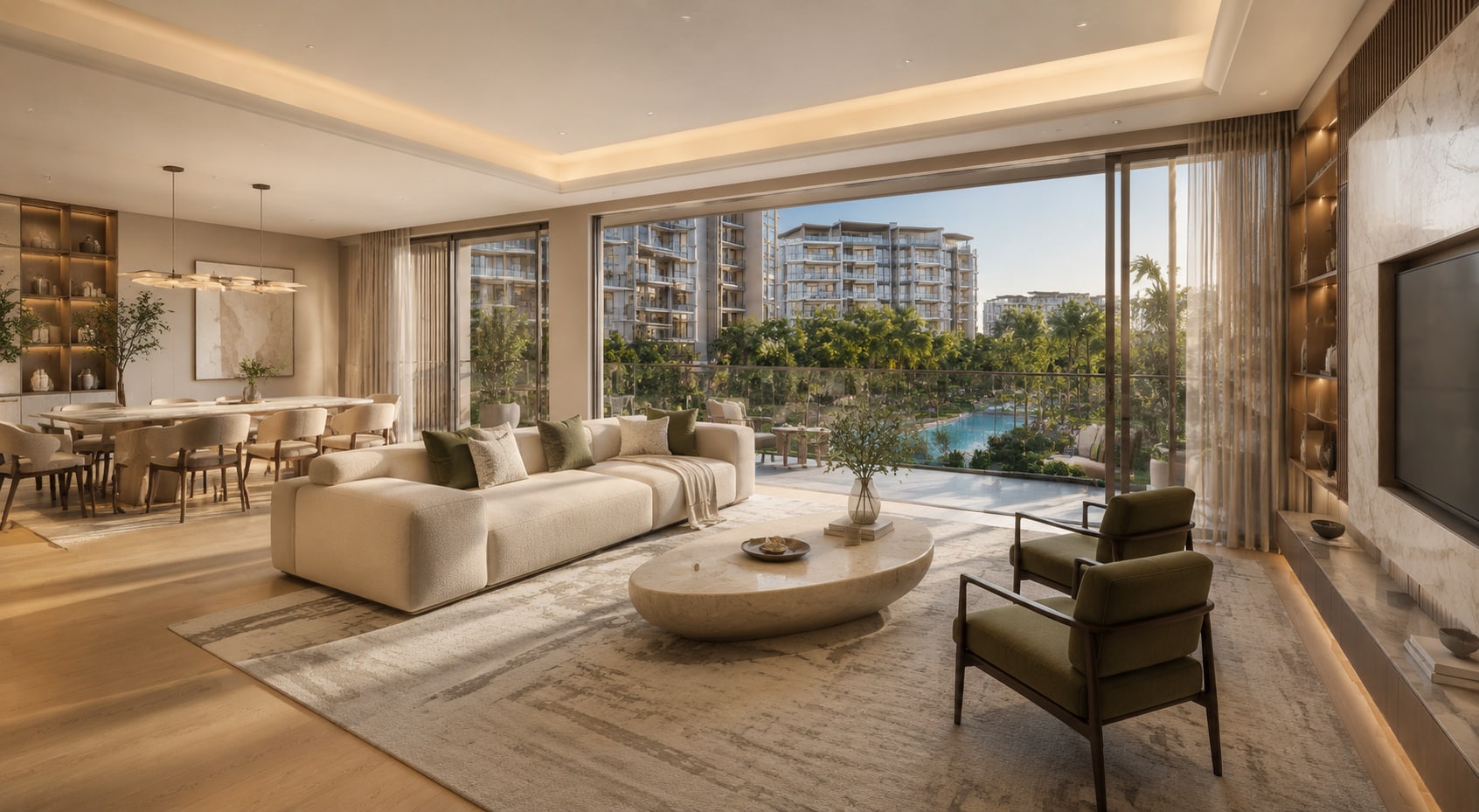
Open-concept layouts have become a cornerstone of modern design, breaking down barriers between cooking, dining, and relaxing areas. By removing unnecessary walls, you create a sense of spaciousness and foster better flow between activities. This approach is particularly ideal for socializing, as it allows hosts to engage with guests while preparing meals. However, open spaces can sometimes feel overwhelming without strategic zoning. To maintain harmony, consider using area rugs, furniture arrangements, or even partial screens to define distinct areas without sacrificing openness.
For those with smaller homes, an open layout can make spaces feel larger than they are. Pair this with clever storage solutions, like hidden cabinets or built-in shelving, to keep clutter at bay. The result? A home that feels airy, connected, and effortlessly stylish.
Multifunctional Zones: Small Space, Big Impact
Modern living often means making the most of limited square footage. Multifunctional zones are the answer, turning a single room into a dynamic space that adapts to different needs. For example, a home office can double as a guest bedroom with a Murphy bed, or a living room can incorporate a dining nook with a fold-out table. The trick is to choose furniture that serves multiple purposes, such as storage ottomans, extendable desks, or sofa beds.
Consider the concept of “zones” rather than fixed rooms. A wall-mounted drop-leaf table can transform a workspace into a dining area in seconds, while a room divider like a bookshelf or curtain can create privacy when needed. This approach not only maximizes space but also keeps your home feeling fresh and adaptable to changing needs.
Bring the Outdoors In
Nature has a way of rejuvenating our minds, and incorporating natural elements into your home can enhance both aesthetics and well-being. Large windows, sliding glass doors, and skylights can flood interiors with natural light, making spaces feel more expansive. For a seamless transition between indoors and outdoors, consider a patio or balcony that extends your living area. Even small touches, like indoor plants, a living green wall, or natural wood furniture, can create a calming, organic atmosphere.
If outdoor space is limited, think vertically. Vertical gardens, hanging planters, or a collection of potted plants can introduce greenery without taking up floor space. The goal is to blur the lines between your home and the natural world, creating a harmonious environment that nurtures both body and soul.
Smart Storage Solutions: Hide the Clutter
A clutter-free home is a tranquil home, but storage doesn’t have to be bulky or unsightly. Modern design prioritizes sleek, integrated storage solutions that blend seamlessly with your aesthetic. Think floor-to-ceiling cabinets in the kitchen, under-stair drawers, or built-in benches with hidden compartments. In bedrooms, consider a bed frame with built-in drawers or a headboard that doubles as a bookshelf.
For living areas, opt for furniture with dual purposes, such as a coffee table with storage or a TV stand that conceals media equipment. The key is to think vertically—utilize wall space with shelves, pegboards, or mounted cabinets. By tucking away clutter, you allow your home’s design to shine while maintaining a sense of order.
Play with Lighting and Mirrors
Lighting can dramatically alter the mood and perception of a space. Layered lighting—combining ambient, task, and accent lights—creates depth and flexibility. Ambient lighting, like ceiling fixtures or recessed lights, sets the overall tone, while task lighting, such as desk lamps or under-cabinet lights, focuses on specific activities. Accent lighting, including wall sconces or LED strips, highlights architectural features or artwork.
Mirrors are another powerful tool in modern design. Strategically placed mirrors can amplify natural light, making rooms feel brighter and larger. A large floor mirror in a narrow hallway, for example, can create the illusion of depth. Alternatively, a gallery wall of smaller mirrors can add visual interest while reflecting light throughout the space.
Color and Texture: The Power of Palette
Color sets the emotional tone of a room, while texture adds depth and tactile appeal. Modern palettes often favor neutral bases—whites, grays, and beiges—paired with bold accents for contrast. However, don’t shy away from color; deep blues, warm terracottas, or soft pastels can evoke coziness and creativity. The key is balance: use color to define zones or highlight focal points, such as an accent wall or a statement piece of furniture.
Texture is equally important. Mix materials like wood, metal, glass, and fabric to create a rich, layered look. A chunky knit throw on a sleek sofa, a glass coffee table atop a wool rug, or matte black fixtures against a glossy backsplash can add visual intrigue. The result? A home that feels curated, inviting, and uniquely yours.
Flexible Furniture for Evolving Needs
As lifestyles change, so should our homes. Flexible furniture is the backbone of adaptable living, allowing spaces to evolve with your needs. Modular sofas, for instance, can be rearranged to accommodate guests or movie nights. Convertible tables can expand for dinner parties or shrink for daily use. Even chairs and stools with wheels or stackable designs offer versatility.
Invest in pieces that grow with you, such as a crib that converts into a toddler bed or a desk that adjusts in height for standing and sitting. The goal is to choose furniture that prioritizes both form and function, ensuring your home remains practical and stylish for years to come.
Personal Touches: Make It Yours
At its core, a home should reflect the people who live in it. Personal touches—whether through art, family heirlooms, or travel souvenirs—add character and warmth. Display a collection of vintage cameras on a shelf, hang a gallery of black-and-white photographs, or incorporate a bold rug that ties the room together. These elements tell your story and make your space feel uniquely yours.
Don’t forget the sensory details, either. A signature scent diffuser, a favorite book on the coffee table, or a record player in the living room can elevate the atmosphere. These small but meaningful touches transform a house into a home.
Final Thoughts: Where Creativity Meets Comfort
Reimagining your home is an exciting journey of discovery. By embracing open layouts, multifunctional zones, and smart design choices, you can create a space that’s as functional as it is beautiful. Remember, the best homes evolve with you—so don’t be afraid to experiment, take risks, and let your personality shine through.
Whether you’re working with a tiny apartment or a sprawling house, the principles of modern design remain the same: prioritize flexibility, maximize light and space, and infuse your home with elements that bring you joy. With a little creativity and intention, your space can become a true sanctuary—one that inspires, comforts, and adapts to your ever-changing life.