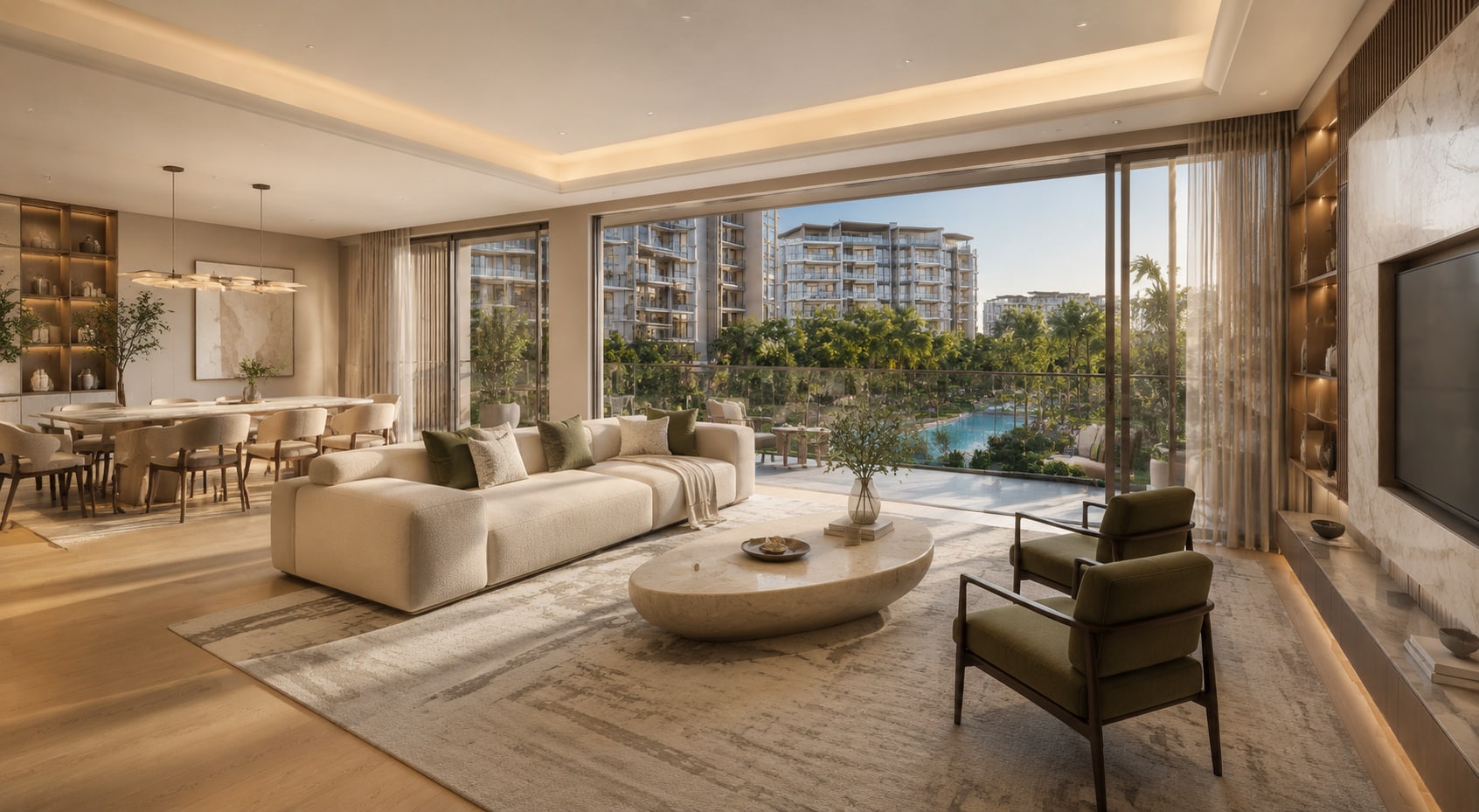
Timeless Interiors: Blending Modern Chic with Vintage Charm

Timeless Interiors: Blending Modern Chic with Vintage Charm
Designing a home that feels both fresh and nostalgic is an art form that celebrates the best of both worlds. Modern chic interiors offer clean lines, minimalist elegance, and sleek functionality, while vintage charm brings warmth, character, and a sense of history. When these two design philosophies come together, they create spaces that are not only stylish but also deeply personal and inviting. This fusion is about more than just aesthetics—it’s about storytelling, where each piece holds meaning and contributes to a cohesive narrative that feels both current and timeless.
The key to mastering this blend lies in balance. Too much modern can feel sterile, while an overabundance of vintage can tip into cluttered or outdated. The magic happens in the thoughtful layering of elements, where contemporary simplicity meets the rich textures and hues of the past. Whether you’re drawn to the bold geometric patterns of the mid-century or the soft patina of antique wood, integrating these influences requires intention and restraint. The goal isn’t to recreate a specific era but to curate a space that feels curated, intentional, and alive with history.
The Philosophy Behind the Fusion
At its core, blending modern chic with vintage charm is about celebrating contrasts and finding harmony in diversity. Modern design often prioritizes functionality and open spaces, relying on neutral palettes and uncluttered surfaces to create a sense of calm. Vintage elements, on the other hand, introduce warmth through organic materials, intricate details, and a palette rich with earthy tones and deep hues. The contrast between the two can make a space feel dynamic and layered, as if it has evolved over time rather than been assembled overnight.
This approach also speaks to sustainability and longevity in design. Instead of discarding old pieces in favor of the latest trends, integrating vintage furniture, art, and decor gives new life to items with history, reducing waste and adding depth. Modern chic provides the structure, while vintage charm infuses personality—together, they create a space that feels both of the moment and deeply rooted in tradition.
Key Elements of a Timeless Fusion
To achieve this balance, focus on a few core principles that guide the selection and arrangement of elements in your space. These principles act as a roadmap, helping you navigate the blending process without losing sight of either style’s essence.
1. Color Palette: A Bridge Between Old and New
The right color palette can unify modern and vintage elements seamlessly. Start with a neutral base—think soft grays, warm whites, or muted beiges—to ground the space and provide a canvas for layering. From there, introduce vintage-inspired hues like mustard yellow, deep teal, or burnt orange as accents. These colors can appear in textiles, artwork, or statement furniture pieces, allowing the space to feel cohesive while still rich with character.
Consider using a monochromatic scheme with varying textures to bridge eras. For example, a modern sofa in a neutral tone can be paired with vintage-inspired throw pillows in complementary shades. Alternatively, a bold wall color in a deep jewel tone can serve as the backdrop for sleek, contemporary furniture, creating a striking contrast that feels intentional and balanced.
2. Furniture: Form Meets Function with a Nostalgic Twist
Furniture is where the fusion of modern chic and vintage charm truly comes to life. Look for pieces that embody both eras—think a mid-century modern armchair with clean lines yet plush cushions, or a sleek dining table paired with mismatched vintage chairs. The juxtaposition of styles creates visual interest and keeps the space from feeling one-dimensional.
When selecting furniture, prioritize quality and craftsmanship. Vintage pieces often boast intricate woodwork, hand-forged details, and superior materials that stand the test of time. Pair these with modern silhouettes that emphasize simplicity and functionality. For instance, a streamlined sofa can be softened with a vintage-inspired rug, or a glass coffee table can be grounded with a well-worn leather armchair. The key is to ensure each piece contributes to a harmonious whole, even if it hails from different decades.
3. Textiles: Layering for Depth and Warmth
Textiles are one of the easiest ways to infuse vintage charm into a modern space. Fabrics with rich textures, such as velvet, linen, or wool, can soften the clean lines of contemporary furniture and add a sense of coziness. Look for patterns that nod to the past—think geometric prints, floral motifs, or even subtle stripes—while keeping the overall palette restrained to avoid overwhelming the space.
Layering textiles is essential for creating depth. Start with a neutral foundation, like a linen sofa or a wool rug, and build from there. Add vintage-inspired throw blankets, embroidered cushions, or a Persian-style rug to introduce warmth and history. The result should feel curated rather than cluttered, with each textile chosen for its ability to complement both modern and vintage elements.
4. Lighting: Illuminating the Fusion
Lighting plays a pivotal role in setting the mood and highlighting the interplay between modern and vintage styles. Opt for fixtures that blend contemporary design with vintage-inspired details. For example, a sleek, minimalist pendant light can be paired with an antique brass chandelier in the dining room. Alternatively, a modern floor lamp can stand beside a vintage-style table lamp on a side table.
Consider the quality of light as well. Warm, diffused lighting enhances the cozy feel of vintage elements, while brighter, task-oriented lighting keeps the space feeling modern and functional. Dimmable switches and layered lighting schemes—combining ambient, task, and accent lighting—allow you to adjust the ambiance to suit different moods and occasions.
5. Decor and Accessories: The Devil is in the Details
Accessories are where the personality of a space truly shines. They offer an opportunity to incorporate vintage treasures alongside modern minimalist pieces. Think vintage books, antique mirrors, or framed black-and-white photographs paired with contemporary sculptures or abstract art. The contrast between old and new creates a dynamic visual narrative that feels curated and intentional.
Display collections thoughtfully. A vintage record player on a modern media console, or a cluster of vintage bottles on a sleek shelf, can tell a story while keeping the space feeling fresh. The goal is to strike a balance—avoid overcrowding surfaces, but don’t be afraid to let a few statement pieces shine. Each item should have a purpose, whether it’s functional, decorative, or purely sentimental.
Common Pitfalls to Avoid
While blending modern chic with vintage charm is rewarding, it’s easy to veer too far in one direction or the other. Here are a few common mistakes to watch out for:
- Overcrowding the Space: Too many vintage pieces can make a room feel cluttered or dated. Pare down your collection and focus on quality over quantity. Let negative space play a role in highlighting the pieces you do choose.
- Ignoring Proportions: Pairing a massive vintage armoire with a delicate modern sofa can create a visual imbalance. Ensure that furniture and decor items are scaled appropriately for the space and complement each other in size.
- Mismatched Metals: Mixing too many metal finishes—brass, chrome, copper—can create visual chaos. Stick to one or two metal tones to maintain cohesion, or use them intentionally in different areas of the room.
- Neglecting Functionality: Vintage pieces are often beautiful but may lack the comfort or practicality of modern designs. Test furniture for comfort, and ensure that lighting fixtures provide adequate illumination for the tasks at hand.
Real-Living Inspiration: Case Studies in Fusion Design
To better understand how this blend works in practice, let’s explore a few real-world examples of interiors that successfully marry modern chic with vintage charm.
Case Study 1: The Urban Loft
In a converted industrial loft in downtown Chicago, the homeowner wanted to preserve the raw, minimalist bones of the space while infusing it with warmth and character. The solution? A carefully curated mix of mid-century modern furniture and industrial vintage pieces. A sleek, Eames-style lounge chair sits beside a reclaimed wood dining table surrounded by mismatched vintage chairs. The color palette is neutral—whites, grays, and blacks—with pops of mustard yellow in textiles and artwork. Industrial lighting fixtures with vintage Edison bulbs provide a nod to the space’s history, while a gallery wall of black-and-white photographs and abstract prints ties the look together.
Case Study 2: The Suburban Retreat
A family home in the suburbs sought to create a cozy, lived-in feel that still felt modern and intentional. The solution was a layered approach to decor, combining contemporary furniture with flea market finds and inherited heirlooms. A streamlined sectional sofa anchors the living room, paired with a vintage Persian rug and a mix of modern and antique throw pillows. The dining room features a sleek glass table surrounded by upholstered chairs in a deep emerald green, with a vintage sideboard against the wall. Antique mirrors reflect light and expand the space, while a collection of vintage glassware on open shelving adds a touch of whimsy.
Case Study 3: The Coastal Escape
A beach house in Maine blends modern coastal design with vintage nautical elements to create a relaxed yet sophisticated retreat. Whitewashed walls and light wood floors provide a neutral backdrop, while vintage fishing nets, weathered wood beams, and a collection of antique brass lanterns add character. Modern furniture with clean lines—think a white sofa and a teak dining table—keeps the space feeling fresh and airy. Textiles in soft blues and whites, paired with a vintage jute rug, tie the look together, creating a space that feels both timeless and effortlessly stylish.
DIY Tips for Blending Styles in Your Own Home
If you’re inspired to try this design approach in your own space, here are some practical tips to get started. Whether you’re working with a blank canvas or refreshing an existing room, these steps will help you achieve a harmonious blend of modern chic and vintage charm.
- Start with a Neutral Base: Paint walls in a soft, neutral tone to create a blank canvas that allows both modern and vintage elements to stand out. Whites, grays, and beiges work well, but don’t shy away from deeper hues if they fit your vision.
- Shop Secondhand: Thrift stores, flea markets, and antique shops are treasure troves for vintage finds. Look for solid wood furniture, unique lighting fixtures, and one-of-a-kind decor items that can anchor your space with history.
- Mix Eras Thoughtfully: Don’t limit yourself to a specific decade. Combine pieces from different eras—just ensure they share a common thread, whether it’s color, material, or form. For example, pair a 1970s sunburst mirror with a contemporary sofa for a dynamic contrast.
- Focus on Quality Materials: Vintage pieces often boast superior craftsmanship, so prioritize items made from solid wood, stone, or metal. Modern pieces should also be well-constructed, with an emphasis on durability and functionality.
- Edit Ruthlessly: Less is often more when blending styles. Before adding a new piece to your space, ask yourself if it enhances the overall design or if it’s just filling a void. A curated space feels intentional and cohesive.
- Play with Scale: Mix large and small pieces to create visual interest. A vintage armoire can serve as a statement piece in a modern bedroom, while a delicate antique side table can add a touch of elegance to a contemporary living room.
- Use Artwork as a Bridge: Art is a great way to tie modern and vintage elements together. Hang a contemporary abstract painting above a vintage sofa, or display a collection of vintage postcards on a modern console table. The contrast will feel intentional and stylish.
The Psychological Appeal of Timeless Interiors
Beyond aesthetics, blending modern chic with vintage charm offers psychological benefits that resonate with many homeowners. Studies have shown that environments rich in texture, history, and personal meaning can reduce stress and enhance well-being. Vintage elements, in particular, evoke nostalgia—a powerful emotional trigger that can evoke feelings of comfort, security, and connection to the past. Modern design, with its emphasis on clarity and simplicity, provides a counterbalance, creating a space that feels both grounding and uplifting.
For those who grew up surrounded by antiques or inherited family heirlooms, integrating these pieces into a modern setting can foster a sense of continuity and identity. It’s a way to honor the past while embracing the present, creating a home that feels like a true reflection of who you are. In a world that often prioritizes the new and disposable, a timeless interior is a quiet rebellion—a celebration of what lasts.
Final Thoughts: Creating a Home That Stands the Test of Time
Blending modern chic with vintage charm is less about following strict rules and more about embracing a philosophy of intentional design. It’s about curating a space that feels authentic, layered, and alive with stories. Whether you’re drawn to the bold lines of Art Deco, the organic forms of mid-century modern, or the eclectic charm of a flea market find, the key is to let your personality guide the process.
Remember that timeless interiors aren’t about perfection—they’re about harmony. They’re spaces where a vintage rug sits comfortably beneath a modern sofa, where an antique mirror reflects a contemporary artwork, and where every piece has a reason to be there. These are homes that evolve with you, spaces that feel as fresh today as they will decades from now.
So take your time. Collect pieces that speak to you, mix eras with confidence, and don’t be afraid to let your home tell your story. In the end, the most timeless interiors are the ones that feel uniquely yours.