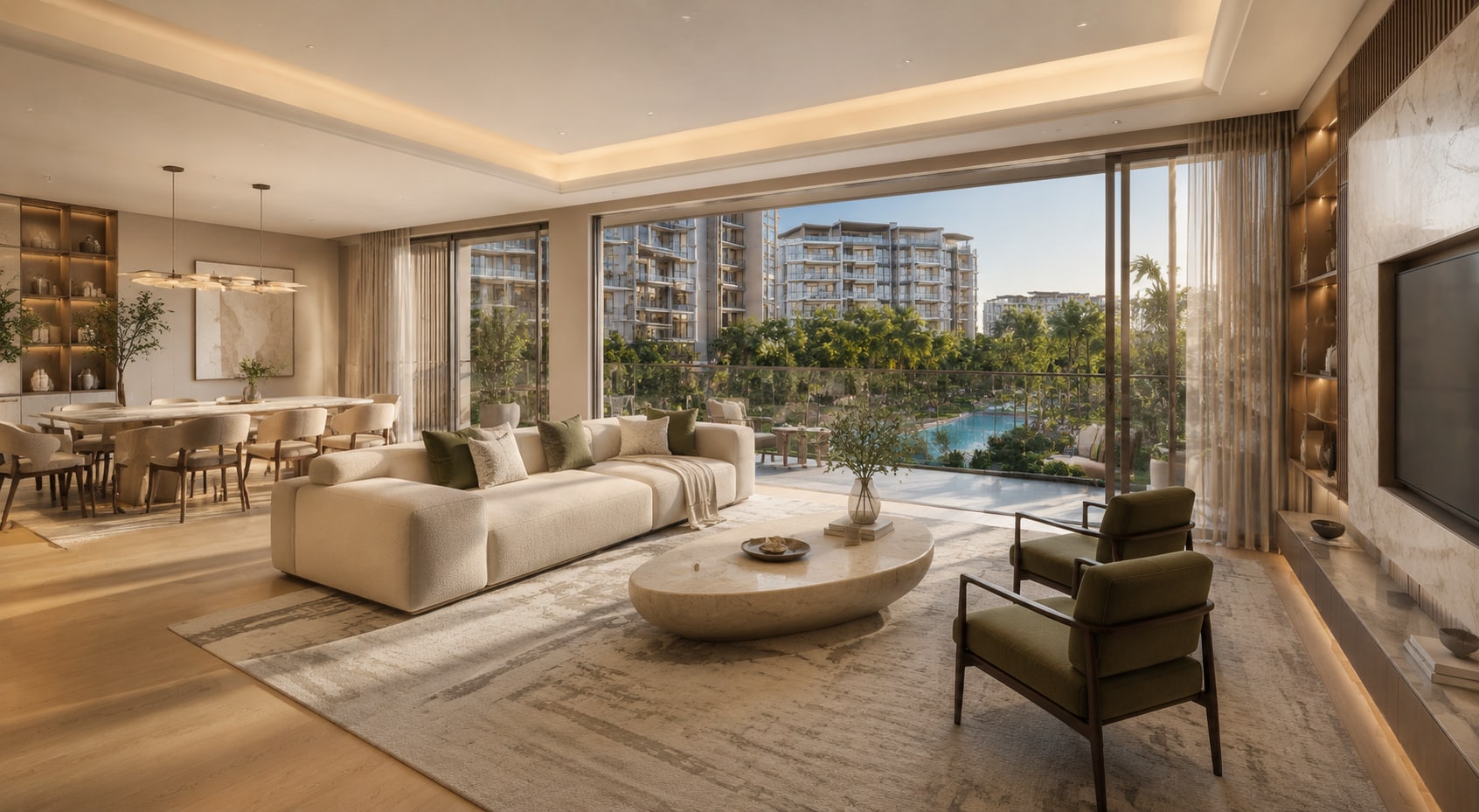
Transforming Spaces: Unleashing Your Home’s Hidden Potential

Transforming Spaces: Unleashing Your Home’s Hidden Potential
Every home has untapped potential waiting to be discovered and transformed into something extraordinary. Whether you’re living in a compact apartment or a sprawling house, the key to unlocking its hidden charm lies in thoughtful design, strategic renovations, and a deep understanding of how to maximize space. Many homeowners overlook the possibilities within their walls, settling for layouts or decor that don’t fully serve their needs or reflect their personalities. By reimagining your space with intention, you can create a home that is not only functional but also inspiring and uniquely yours. This guide explores ways to identify and transform the underutilized areas of your home, turning overlooked nooks into valuable assets.
The Power of Space Assessment
Before diving into renovations or decor changes, it’s crucial to evaluate your home with a fresh perspective. Start by walking through each room and asking yourself a few key questions: What areas feel cramped or underused? Where does traffic flow feel inefficient? Which spaces no longer serve their original purpose? Sometimes, the answers reveal simple fixes—like repurposing a seldom-used hallway into a reading nook or converting a cluttered closet into a home office. Other times, the transformation may require more creativity, such as combining two small rooms into one multifunctional space. The goal is to look beyond the obvious and see the potential in every corner. Tools like floor planners or even smartphone apps can help visualize changes before committing to them.
Maximizing Small Spaces with Smart Design
Small spaces often feel limiting, but with the right design strategies, they can feel open, airy, and highly functional. One of the most effective ways to maximize space is through multifunctional furniture. Think of a sofa bed for guest rooms, a dining table with built-in storage, or a Murphy bed that folds away when not in use. Vertical space is another game-changer—installing tall shelving units or wall-mounted desks can free up floor space while adding storage. Mirrors are a simple yet powerful tool; they reflect light and create the illusion of a larger room. Additionally, keeping decor minimal and choosing light, neutral colors can make a small space feel more expansive. Don’t forget to consider lighting—layered lighting with task, ambient, and accent lights can transform the mood and functionality of any room.
Repurposing Underutilized Areas
Many homes have areas that are overlooked simply because they don’t fit into traditional room categories. Take, for example, the space under the stairs. This awkward area can become a cozy reading corner, a compact home bar, or even a built-in pet bed. Similarly, the area beneath a sloped ceiling in an attic or loft can be transformed into a snug sleeping nook or a quirky workspace. Garages and basements are often relegated to storage or laundry duties, but with some planning, they can become additional living areas like a home gym, entertainment room, or guest suite. Even the space above kitchen cabinets can be utilized for seasonal decor or rarely used kitchenware. The trick is to identify these areas and brainstorm ways to make them work for your lifestyle.
Creating Zones for Modern Living
Open-concept living is popular, but without defined zones, a space can feel chaotic and unproductive. Creating distinct areas within a larger room helps maintain order while allowing for versatility. For instance, a large living area can be divided into a lounge zone with a sectional sofa, a dining zone with a compact table, and a work zone with a desk and ergonomic chair. Room dividers like bookshelves, curtains, or even large plants can delineate spaces without closing them off completely. In a bedroom, separating the sleeping area from a workspace or dressing area can enhance both relaxation and productivity. The key is to use furniture, lighting, and decor to signal different purposes within the same space. This approach not only makes your home more functional but also adds visual interest.
Incorporating Nature and Biophilic Design
Bringing elements of nature into your home can dramatically enhance its appeal and create a sense of tranquility. Biophilic design, which focuses on connecting occupants with natural elements, has been shown to improve well-being and reduce stress. Simple additions like houseplants, a small indoor herb garden, or a living wall can breathe life into a room. Larger projects might include installing a skylight to flood a space with natural light or creating a courtyard or patio that serves as an outdoor extension of your living area. Even the choice of materials—like wood, stone, or bamboo—can evoke a natural aesthetic. When integrating these elements, consider the overall flow of your home and how each natural touch complements the existing decor and architecture.
Lighting: The Unsung Hero of Space Transformation
Lighting is often an afterthought in home design, yet it has the power to completely alter the atmosphere of a space. Layered lighting, which combines ambient, task, and accent lighting, can create depth and highlight architectural features. Ambient lighting provides general illumination, such as ceiling fixtures or recessed lights, while task lighting focuses on specific areas like kitchen counters or reading chairs. Accent lighting, on the other hand, adds drama by illuminating artwork, plants, or textured walls. Dimmer switches are a simple way to control the mood of a room, allowing you to shift from bright and energetic to soft and cozy with ease. Don’t overlook natural light—sheer curtains, larger windows, or strategically placed mirrors can amplify the effect of sunlight, making spaces feel brighter and more inviting.
Sustainable Transformations for Long-Term Value
Transforming your home doesn’t have to come at the expense of the environment. Sustainable renovations not only reduce your carbon footprint but can also save money in the long run. Start with energy-efficient upgrades like LED lighting, smart thermostats, or low-flow plumbing fixtures. When selecting materials, opt for reclaimed wood, recycled glass countertops, or VOC-free paints to improve indoor air quality. Upcycling furniture or shopping secondhand are great ways to add character to your home while keeping waste out of landfills. Even small changes, like installing a rainwater collection system for gardening or choosing drought-resistant plants, can make a difference. Beyond the environmental benefits, sustainable design often aligns with timeless aesthetics, ensuring your home remains stylish and functional for years to come.
Personalizing Your Space for Maximum Impact
A home should be a reflection of its inhabitants, yet many spaces end up feeling generic because they lack personal touches. The key to transforming your space into a true sanctuary lies in infusing it with elements that tell your story. Start with artwork, photographs, or travel souvenirs that evoke cherished memories. Choose textiles like rugs, throw pillows, or curtains in colors and patterns that resonate with you. Don’t be afraid to mix styles—eclectic combinations can create a dynamic and inviting atmosphere. Custom furniture or built-ins tailored to your needs can also add a unique touch. For example, a built-in bench with storage in the entryway or a custom desk in a home office can make a space feel tailor-made. The goal is to create a home that not only looks beautiful but also feels authentically *you*.
Overcoming Common Challenges
Transforming your home’s hidden potential isn’t without its challenges, but with the right approach, these obstacles can be overcome. Budget constraints are a common hurdle, but prioritizing projects and tackling them in phases can make renovations more manageable. For example, start with low-cost updates like painting or decluttering before investing in larger changes. Limited square footage may require creative solutions, such as foldable furniture or modular storage systems. Structural limitations, like load-bearing walls, might necessitate professional advice, but often, there are workarounds—like opening up a room with a pass-through or installing a pocket door. Time can also be a factor, so breaking projects into smaller tasks ensures steady progress without overwhelming your schedule. The key is to stay flexible and focus on progress rather than perfection.
Final Thoughts: Your Home as a Canvas
Your home is more than just a place to live—it’s a canvas waiting for your vision to come to life. By assessing its potential, repurposing underutilized areas, and infusing your personal style, you can transform even the most overlooked spaces into something extraordinary. Remember, the goal isn’t just to create a beautiful home but to craft a space that enhances your daily life, reflects your values, and brings you joy. Whether you’re making small, incremental changes or undertaking a full-scale renovation, every step you take brings you closer to unlocking your home’s hidden potential. So, roll up your sleeves, let your creativity flow, and watch as your space evolves into the home of your dreams.